

Moving to Oxford (or settling in after a fresh job start) is exciting—until you hit the practical stuff: finding a place that feels like yours, works with your routine, and doesn’t drain your time or money. Shared accommodation can be brilliant for young professionals and remote workers, but only when it’s set up properly. B-Hive Living is designed to make shared living feel straightforward, respectful, and easy to navigate—so you can focus on work, your wellbeing, and building a comfortable routine in Oxford.
Quick answer: what makes a shared home “the right one” in Oxford?
- Best options: purpose-managed shared homes where bills, Wi-Fi, and expectations are clear from day one.
- Best time to look: aim for a move-in window that matches the start of your work rhythm (weeks before you need quiet time to settle).
- Who it’s for: remote workers, early-career professionals, and anyone who wants community without compromising their privacy.
- Quick logistics: check commute links (bike, bus, or walk), then confirm what’s included before you commit.
Takeaway: The B-Hive Difference is about clarity, care, and day-to-day ease.
Shared accommodation works when the basics are handled—and when your home supports your actual routine. At B-Hive Living, the goal is simple: make shared living feel calm, organised, and genuinely liveable.
1) Clear expectations that reduce friction
When everyone understands how shared spaces work—kitchen flow, quiet hours, cleaning routines, and guest guidance—day-to-day life is smoother. You spend less time negotiating, and more time getting on with your week.
Insider tip: before you move in, ask how the property handles shared-space rules in practice (for example, how cleaning responsibilities are managed).
Common mistake to avoid: choosing a place based on photos alone without checking how issues are addressed if something doesn’t work for you.
2) A layout that supports both privacy and connection
Shared accommodation should still respect your working style—whether you’re on calls, writing, or need uninterrupted downtime. A good setup balances personal space with areas where it’s natural to bump into neighbours (without it feeling forced).
Insider tip: if you work from home, do a quick “sound check” at viewings—stand near the kitchen/common area at busy times to sense noise levels.
3) Practical support for remote working life
Remote work demands more than a desk. You’ll want reliable connectivity, sensible communal space, and guidance on how the home supports everyday routines.
Common mistake to avoid: assuming Wi-Fi and bills are included—always confirm what’s covered and whether there are any set-up steps you need to follow.
Takeaway: Choose shared accommodation in Oxford based on your commute and your work pattern.
Oxford can feel different depending on where you live—especially if you’re balancing meetings, hybrid days, or quiet-focus time. The right shared home will match your commute style and your day-to-day rhythm.
What to shortlist in Oxford (and nearby)
- Oxford city centre: best for easy access to amenities and walkable routes. Insider tip: confirm noise levels and parking/permit arrangements before you commit.
- Headington: often suits people working around the east of Oxford. Insider tip: check evening bus frequency if you rely on public transport.
- Jericho: popular for its character and proximity to local spots. Insider tip: if you attend early meetings, ask what the evening atmosphere is like in the areas you’d be using most.
- Bicester (near Oxford): an option if you want a slightly calmer base while still connecting back to Oxford. Insider tip: think through your typical “office day” travel time, not just the average commute.
How to choose: a simple checklist
Use these criteria to compare properties fairly:
- Budget: confirm what’s included (utilities, broadband, and any service charges).
- Vibe: ask how the home handles social time vs quiet time.
- Transport: consider whether you’ll bike, bus, or walk most days.
- Timing: if you need to be fully settled for work, line up move-in dates that give you a short “run-in” period.
- Household fit: check the balance of professionals/remote workers and whether shared spaces encourage respectful routines.
Takeaway: The best shared homes feel managed, not improvised.
If shared living is going well, it doesn’t usually come down to luck—it comes down to systems. When a provider keeps standards consistent, your day-to-day experience improves quickly.
What “managed” should mean in practice
- Clear communication: you know who to contact for common issues.
- Consistency in shared spaces: standards remain steady even when schedules are busy.
- Thoughtful onboarding: you understand how the home works before it becomes frustrating.
Insider tip: during viewings, ask how new residents are onboarded—what you’ll receive on day one, and where residents usually get answers.
Takeaway: A smooth move beats a perfect move-in.
A lot can derail shared accommodation plans: unclear inclusions, last-minute changes, or vague expectations. You can reduce that stress by planning your move with intention.
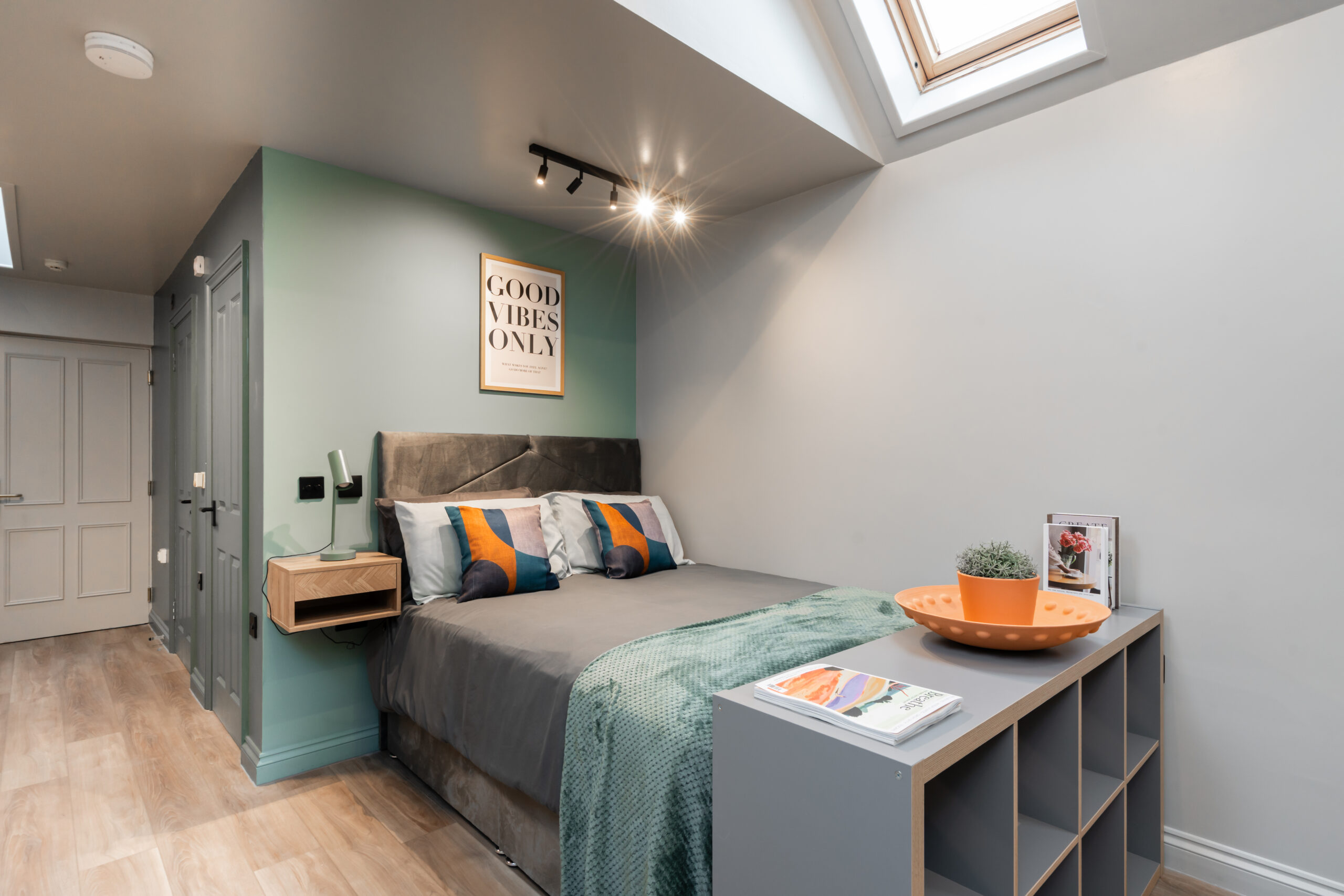
At a glance: mini itinerary for your decision
- Day 1: shortlist based on commute + work routine, not just “prettiness”.
- Day 2: verify what’s included (bills, broadband, and shared space expectations).
- Day 3: confirm house rules and quiet/social balance.
- Day 4: schedule your move-in so you have time to settle before your busiest week.
Booking notes (what to ask before you apply)
For shared accommodation in Oxford, your most useful questions are the practical ones:
- What’s included in the monthly cost, and what isn’t?
- How are Wi-Fi and utilities handled day to day?
- What are the expectations for cleaning and shared spaces?
- How does the home balance community with privacy?
- What’s the process if something goes wrong?
Note: exact inclusions, policies, and availability vary by property—check the current details for your specific B-Hive home.
Takeaway: Local logistics matter—especially if you commute or work from home.
Oxford living is easier when your route, timing, and daily habits fit together. Here are the logistics to think about when comparing locations in Oxford and Bicester.
Getting there: your everyday route
Choose the area that makes your routine easier:
- If you cycle, check safe bike routes and how far you’d realistically ride in bad weather.
- If you use buses, look at evening and early-morning options—not only daytime frequency.
- If you walk, consider how comfortable you feel with the route at night.
Best times to view and decide
Try to view when you’d be most likely at home (evenings or weekends). It helps you sense whether the shared spaces feel calm, busy, or disruptive.
Accessibility notes
If you need step-free access or have mobility considerations, clarify details early. Shared homes can vary in layout, and it’s better to confirm than to discover issues later.
Takeaway: Common questions about shared accommodation in Oxford—answered.

FAQs
Q1: What is the primary difference between B-Hive Living and typical shared accommodation Oxford?
The key difference is the focus on a well-managed, day-to-day living experience—aiming for clarity, respect, and practical support so shared life feels easier and more predictable. Exact details depend on the specific home, so it’s worth checking the property page or availability information.
Q2: Is shared accommodation a good fit for remote workers in Oxford?
It can be—if the home supports quiet focus and has sensible shared-space routines. When viewing, pay attention to noise, Wi-Fi arrangements, and how the kitchen/common areas are used at typical working times.
Q3: How do I choose the right area in Oxford (or Bicester)?
Start with your everyday commute and your work schedule: where you’ll be in the day and how you’ll travel. Then compare what the local vibe feels like for your routine—especially evenings and weekends.
Q4: What should I confirm before I sign up for shared accommodation?
Confirm what’s included (bills, broadband, and any service charges), the shared-space expectations (cleaning and quiet time), and the process for reporting issues.
Q5: What are common mistakes people make with shared accommodation in Oxford?
Two big ones are choosing based on photos only, and assuming inclusions like Wi-Fi and bills without verifying. Another is not asking how the home handles quiet time and conflict resolution in practice.
Takeaway: Shared living works best when it supports your life, not just your lease.
Choosing shared accommodation in Oxford isn’t only about finding a room—it’s about finding a home that makes your week easier. B-Hive Living is built around the lived reality of young professionals and remote workers: clear expectations, comfortable shared spaces, and a community feel that doesn’t overwhelm your privacy. With the right match, Oxford becomes less stressful—and more like you.
Ready to make Oxford feel like home?
If you’d like to live in a thoughtfully managed shared home with B-Hive Living, apply to join our community. We’ll help you find a fit that matches your routine and your pace—so your next chapter starts smoothly.
