

You have the job offer in hand, and now the practical question: where do you actually live? Oxfordshire’s life sciences sector is not one destination but several, spread from the hospital campuses in Headington to the science parks at Milton, Harwell, Begbroke and Bicester. Pick the wrong base and you will spend your week fighting the A34. Pick the right one and your commute becomes a cycle ride or a short train hop. This guide maps the main employment clusters to the towns and neighbourhoods that serve them, with honest notes on cost and trade-offs.
Quick answer: best areas for life sciences jobs in Oxfordshire
Match your base to your actual work site first, then let budget and social life decide the rest.
- Headington and Cowley: walk or cycle to the Oxford Business Park, Churchill Hospital and the Nuffield Orthopaedic Centre. Best if you are on site most days.
- Didcot: the natural base for Milton Park and Harwell Campus, with fast trains to Oxford and London Paddington. Best for rail commuters and hybrid workers.
- Bicester: more space for your money, two stations, and a growing cluster of its own. Best for value and for splitting time between Oxford and London.
- Kidlington, Yarnton and north Oxford villages: quieter, greener, and close to Begbroke Science Park. Best if you want a garden and easy parking.
- Jericho, Summertown and central Oxford: the busiest social scene, the highest rents. Best if walkability matters more than square footage.
Why the life sciences map decides where you live
Oxfordshire’s employers sit in distinct clusters, and the county’s transport network does not connect them equally well. That is the single biggest difference from London, where one tube line can serve most employers. Here, a 15-minute train ride beats a 40-minute drive on a good day and a 70-minute drive when the ring road is struggling. Before you shortlist a postcode, confirm your primary site, how many days a week you are expected there, and whether your employer runs a shuttle.

Headington and the hospital campus
The Churchill Hospital, John Radcliffe and Nuffield Orthopaedic Centre sit within a compact area of Headington, alongside research buildings and the broader Oxford University Hospitals network. Living in Headington itself, or in Marston, Barton or Wood Farm just beyond it, means you can walk or cycle in rather than queue on the London Road. Rents close to the hospitals carry a clear premium for that convenience, so the value play is to move one or two stops out along the London Road or toward Marston and keep the walk-in commute. If you are on a clinical rota with early starts, that walkability is worth more than a bigger living room.
Oxford Business Park, Cowley and East Oxford
The Oxford Business Park in Cowley hosts a mix of biotech, diagnostics and pharmaceutical support businesses, and it sits within cycling distance of much of East Oxford. Cowley, Temple Cowley, Rose Hill and the streets off the Cowley Road are the practical choices, and the Cowley Road itself gives you the best concentration of independent food and drink in the city. Cycling is the real advantage here: the routes into the business park are far quicker than the bus at peak times. If you are weighing up East Oxford against a town outside the city, note that parking near the business park is limited and often permit-controlled, so a car can become a liability rather than an asset.
Milton Park, Harwell Campus and Didcot
Milton Park and Harwell Campus together form one of the densest research clusters in the country, covering life sciences, space and energy. Didcot is the obvious base for both, and Didcot Parkway is the strongest rail asset in the county for this purpose: direct services to Oxford and to London Paddington, with the town centre a short walk from the station. The catch is the last mile. Both campuses sit a few miles from the station, so check whether your employer runs a shuttle before you assume you can do the whole journey by train. If you drive instead, the A34 and A4130 are the routes to plan around, and peak-time congestion on the A34 northbound is the thing that turns a 20-minute drive into a 45-minute one.
Begbroke, Kidlington and north Oxford
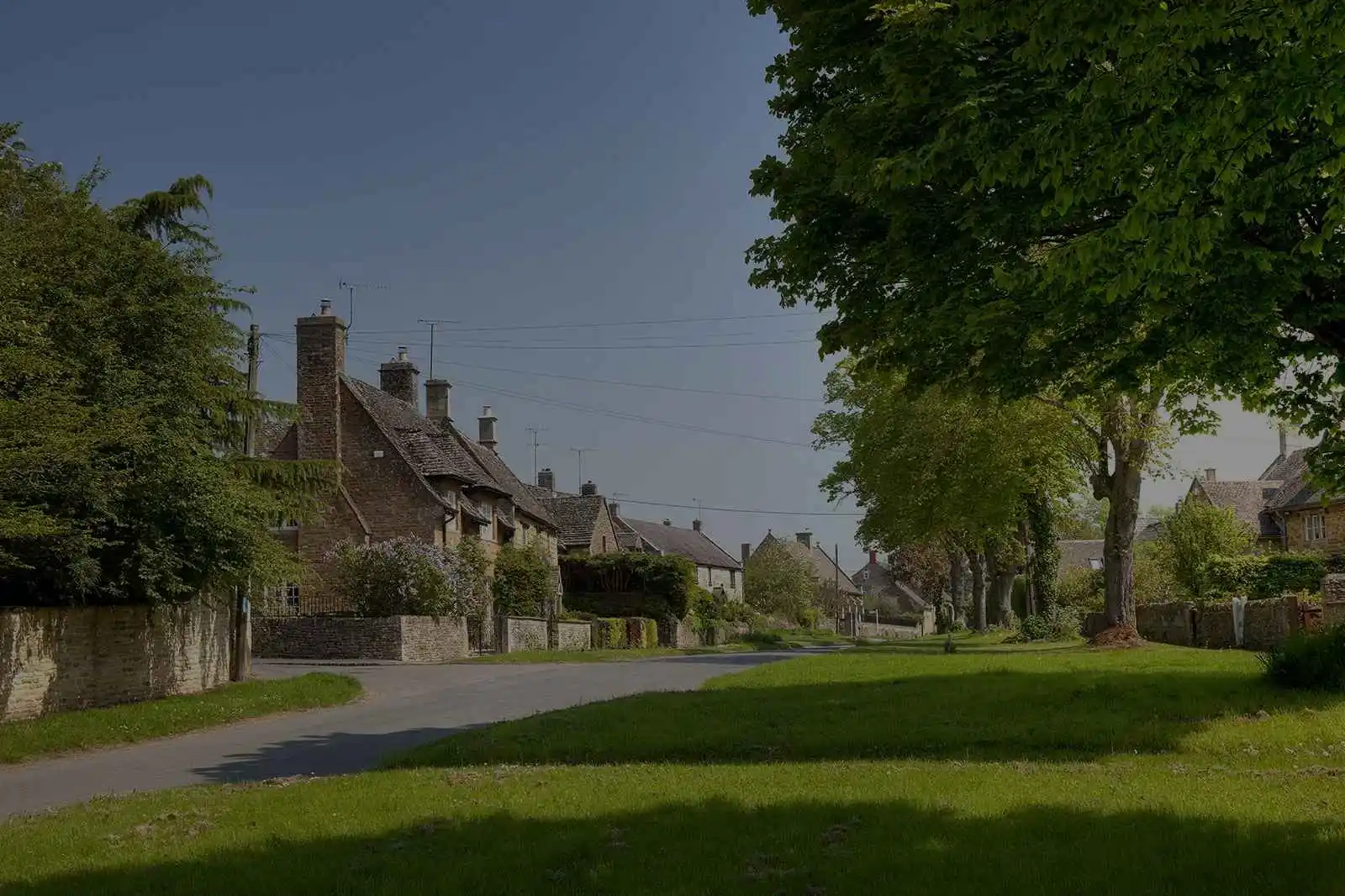
Begbroke Science Park sits just north of the city and is closely tied to the university’s research and spin-out activity. Kidlington, Yarnton and the villages along the Banbury Road corridor are the natural bases, offering gardens, parking and a calmer pace while keeping Oxford reachable by bus. Oxford Parkway station near Kidlington is the detail most people miss: it gives you a second rail route into London and a quick link to Oxford, which is useful if your role involves travel. This area suits people who have moved past shared-house living and want a bit more room, without giving up a reasonable commute.
Bicester and the eastern cluster
Bicester has quietly become a life sciences and advanced engineering location in its own right, with Bicester Motion and the surrounding enterprise zones attracting specialist tenants alongside the town’s established motorsport and technology businesses. For young professionals the appeal is straightforward: more living space per pound than Oxford, a town centre that has improved considerably, and two stations serving different lines. Bicester North and Bicester Village go to different destinations, so confirm which one is closest to your workplace and which line serves the office you actually attend. Graven Hill, the self-build and custom-build development on the edge of town, has added a genuinely different kind of housing stock to the area.
How to choose where to live
Work backwards from your commute, then use lifestyle to break the tie between two otherwise similar options.
- Days on site: If you are in two days a week, a longer commute is tolerable and cheaper areas open up. If you are in five, proximity wins.
- Commute mode: Cycling distance beats everything else on cost and time. If you must drive, check parking at both ends before you commit.
- Budget: Central Oxford carries the biggest premium. Didcot, Bicester and the northern villages generally give you more space for the same money.
- Social life: Cowley Road, Jericho and central Oxford have the busiest evenings. Bicester and Didcot are quieter but improving.
- Travel beyond Oxfordshire: If you visit London or travel for work, proximity to Didcot Parkway, Oxford Parkway or a Bicester station matters more than a city-centre postcode.

At a glance: a two-week relocation plan
- Week one: confirm your primary site, your expected days on site, and whether a shuttle or cycle scheme exists.
- Week one: shortlist three areas maximum, based on commute mode rather than postcode prestige.
- Week two: do the journey at peak time, in both directions, on a weekday.
- Week two: view two properties per area and check broadband speed if you work from home regularly.
- Before signing: confirm parking permits, council tax band and any local charges with the council.
Local logistics: getting around Oxfordshire
Oxfordshire rewards flexibility. Buses are frequent on the main corridors into Oxford, particularly along Cowley Road, Banbury Road and London Road, but they slow down considerably at peak times. Cycling is often the fastest way into the city centre, and the county has invested in routes linking the ring road to the science parks. Rail is the strongest asset for longer journeys, with Didcot Parkway, Oxford, Oxford Parkway and the two Bicester stations connecting the county to London and to each other.
If you drive, check the current rules before you rely on it. Oxford has a zero emission zone covering parts of the city centre, with charges and boundaries that have been introduced in stages, so confirm the current position and whether your vehicle is affected on the council’s website rather than taking a forum post’s word for it. On timing, spring and summer are the busiest letting seasons because of the academic calendar. Relocating for work rather than study, you will usually find more availability and less competition in late autumn and winter. Always verify current train times, bus routes and local charges with the operator or council, as these change.
Common mistakes to avoid
- Assuming Oxford city centre is the only option. Plenty of life sciences roles sit outside the centre, and living near your actual site saves both time and money.
- Ignoring the last mile. A fast train means little if the campus is a 40-minute walk from the station with no shuttle service.
- Signing before testing the commute. Do the journey at peak time on a weekday, not on a quiet Sunday afternoon.
- Overlooking Bicester. It gets dismissed as a shopping destination, but its transport links and housing stock make it a strong base for hybrid workers.
- Choosing on rent alone. Factor in transport costs, council tax and parking before comparing two areas directly, because the cheaper rent can lose once the full monthly cost is added up.
Frequently asked questions
Where should I live for life sciences jobs in Oxfordshire if I commute by train?
Didcot and Bicester are the strongest choices. Didcot Parkway connects to Oxford and to London Paddington, while Bicester’s two stations link to Oxford and London Marylebone. Both give you more space for your budget than central Oxford, but check the last-mile connection to your campus before you commit.
Is Bicester a good place to live for young professionals?
Yes, particularly if you work in the eastern cluster or split your time between an Oxford or London office and home. You get more living space, two rail lines and a town centre with a growing food and drink scene, though the evening options are quieter than Cowley Road or Jericho.
Do I need a car to work in Oxfordshire’s life sciences sector?
Not necessarily. For the Oxford Business Park and the Headington hospital campus, cycling and walking are realistic. For Milton Park, Harwell or Begbroke, a car, or a combination of train and employer shuttle, is usually more practical. Confirm shuttle provision before you rule a car out.
When is the best time to look for a rental in Oxfordshire?
Late autumn and winter are quieter than the spring and summer peak, which is driven by the academic calendar. You will usually find more availability and less competition outside those months, though popular areas stay busy year-round.
How much does it cost to live in Oxford compared with Bicester?
Central Oxford carries a significant premium over Bicester and Didcot for comparable space. Rents move frequently, so check current listings on the major portals and compare the full monthly cost, including transport and council tax, rather than headline rent alone.
Which areas suit hybrid workers best?
Bicester, Didcot and the Kidlington area tend to work well, because you get more space for a home office and a rail link for the days you do travel in. If you are on site most of the week, Headington, Cowley and East Oxford remain the most practical.
Choosing where to live in Oxfordshire comes down to matching your daily rhythm to your work. Get the commute right, keep some budget for the things that make a place feel like home, and the rest tends to follow. A short journey to work, a good local cafe and neighbours you actually know go a long way towards settling in quickly.
At B-Hive Living, we provide shared homes for young professionals and remote workers in Oxford and Bicester, with community at the centre and locations chosen for real commutes rather than postcard views. If you are relocating for a life sciences role and want a straightforward, friendly place to land, take a look at our available rooms and send us an application when you are ready.
