

You have a job offer in Bicester, or you are already here, and the question is whether you can skip the car. You can. Bicester is compact, largely flat, and has two railway stations, so most daily trips work on foot, by bike, or by train. This guide covers how to live car-free in Bicester properly: which areas actually work, how to get to Oxford and London, and the trade-offs nobody mentions until you have signed a lease.
Quick answer: Bicester without a car at a glance
- Best for: Commuters to Oxford, London, or Birmingham; remote workers who want shops, gyms, and cafés within walking distance.
- Best time to move: Spring or early autumn, so you can learn the walking and cycling routes before dark evenings arrive.
- Two stations, two jobs: Bicester North serves London Marylebone and Birmingham; Bicester Village station serves Oxford and Marylebone via Oxford Parkway.
- Where it works best: Town centre, Kingsmere, and Langford Village are the easiest car-free bases. Launton and Chesterton need more planning.
- Budget reality: Check current fares before you commit, because a season ticket is now a significant monthly cost that partly offsets your car savings.
Why Bicester works without a car
Bicester is small enough to cross on foot in roughly half an hour, and the terrain is flat, which makes cycling realistic for most people rather than a hobby for the very fit. The town also has two stations rather than one, so you are rarely more than a short bus or bike ride from a direct train.
The catch is that car-free living here rewards location more than it does in a bigger city. A mile in the wrong direction can mean a 25-minute walk to a station in the rain, or a bus that stops running at 7pm. Choose the area first, then the property.
Neighbourhoods that work best on foot and bike
Town centre (Market Square, Sheep Street, Causeway)You are within walking distance of both stations, the market, and most everyday shops. Best for: anyone commuting regularly, or who wants to leave the flat and be somewhere in two minutes. Insider tip: the Friday and Saturday markets on Market Square are where you can do a proper food shop on foot, but go before 11am if you want the good bread.
KingsmereA modern development on the south-west edge with a primary school, local centre, and cycle links towards Bicester Village station. Best for: remote workers who want newer housing and green space without being stranded. Insider tip: the walk to Bicester Village station is genuinely doable, but time it yourself before signing, because the estate is larger than it looks on the map.
Langford VillageEstablished residential area on the south-east side, close to Bicester Village station and the outlet. Best for: people who want a quieter street but still need a fast train to Oxford. Insider tip: the footpath network here is better than the road layout suggests, so check pedestrian cut-throughs on a map before you rule a street out.
Bure Park and SouthwoldFamily-heavy residential areas with local shops and parks. Best for: more space per pound, provided you are happy to cycle 15 to 20 minutes to a station. Insider tip: the paths through Bure Park link to the town centre away from the busier roads, but you will want proper lights and a reflective layer from October onwards.
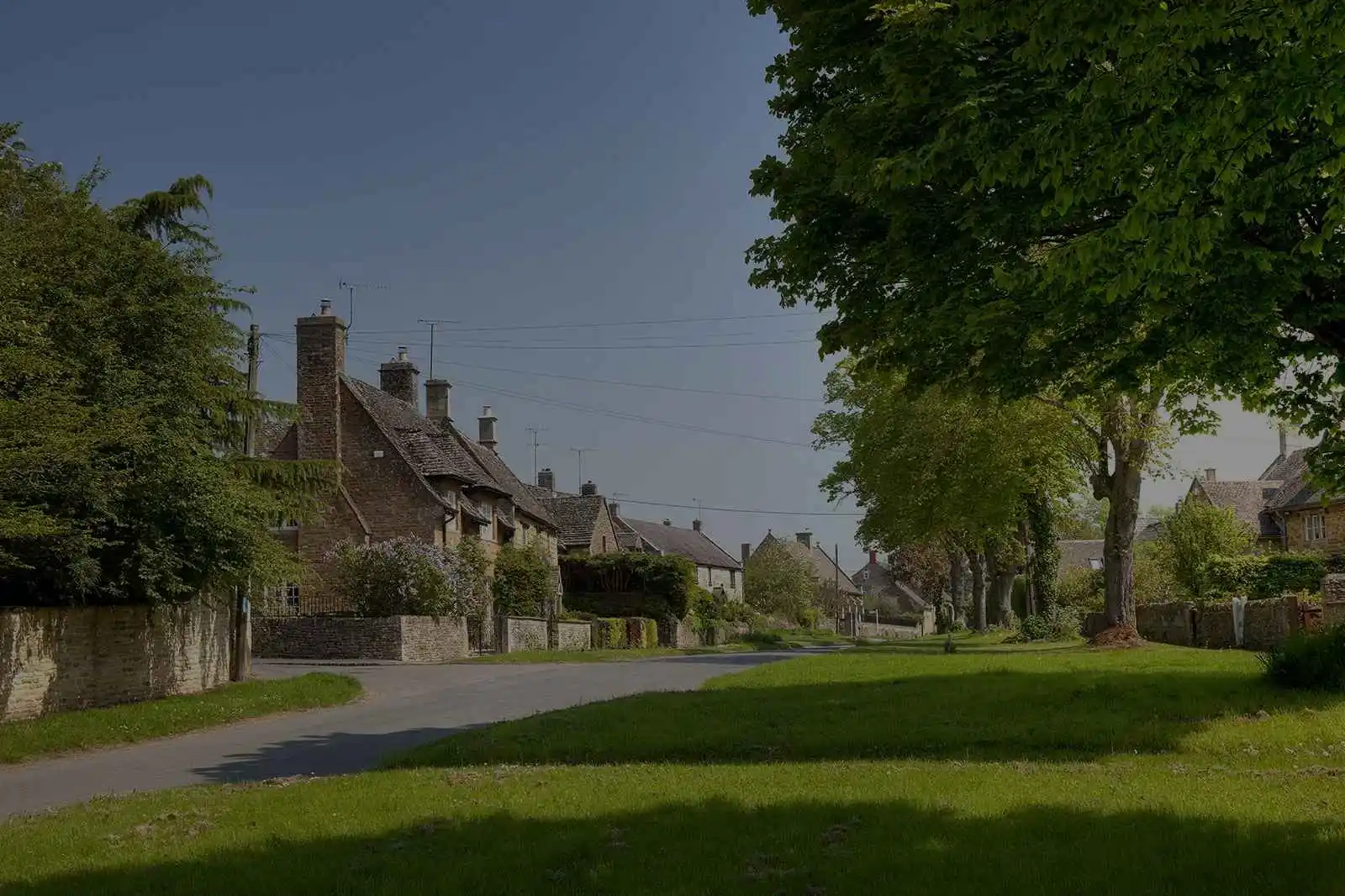
Launton and ChestertonVillage feel, countryside walks, and cheaper rents. Best for: remote workers who only need London occasionally. Insider tip: these villages are the weakest links in a car-free plan. Check the last bus back from town on a weekday evening before you commit, not after.
Getting around: trains, buses, and bikes
Trains do the long trips, buses fill the gaps between estates and stations, and a bike covers everything else. The weak point is evenings and Sundays, so plan around that rather than assuming it will be fine.
Trains from Bicester North and Bicester Village
Bicester North is on the Chiltern Main Line, with direct services towards London Marylebone and Birmingham. Bicester Village station connects to Oxford and onwards to Marylebone via Oxford Parkway. Journey times vary by service, so check the current timetable on National Rail or the operator’s site before you travel.
Two practical points. First, the two stations are not interchangeable: check which one your regular route actually leaves from before you choose a flat. Second, fares and season ticket prices change, and the difference between an annual season and a flexi-style pass can be substantial, so get a current quote from the operator for your specific route rather than relying on figures in an old blog post, including this one.
Buses between the estates and the stations
Local buses connect the residential estates to the town centre and both stations during the day. Stagecoach and Arriva are the names you will see on the buses around Bicester, though routes and operators do change, so confirm the current network on the operator’s own site or at the bus station before you rely on a specific service.
Evening and Sunday frequencies are noticeably thinner than weekday daytime services. If your job involves late finishes or weekend shifts, treat the bus as a backup and build a taxi budget into your monthly costs.
Cycling and walking
Bicester is flat and the town centre is compact, so most short journeys are quicker by bike than by car once you factor in parking. National Cycle Route 51 passes through the area, and there is cycle parking at both stations.
Insider tip: use the covered cycle parking at the stations rather than leaving a bike locked to a railing overnight, and budget for a lock that costs a meaningful fraction of the bike. Opportunist theft is the main risk, not organised crime.
How to choose where to live without a car
Pick the transport link first, then the property. In a town this size, the difference between a good and a bad car-free location is usually about ten minutes of walking, not a different postcode.
- Commute: If you travel to London or Oxford more than twice a week, live within a 15-minute walk or cycle of the station your route actually uses.
- Everyday errands: Check that a supermarket, pharmacy, and GP surgery are within a 20-minute walk. This matters more than proximity to a café.
- Evening transport: Test the last bus home from town on a weekday before you sign. This is the single most common regret among car-free movers.
- Budget: Without a car you save on insurance, fuel, parking, and maintenance, but a commuter season ticket can absorb much of that. Work out both numbers before deciding what rent you can afford.
- Future plans: If you might buy a car later, check whether parking is included, but do not pay a premium for a space you will not use this year.
What living near Bicester Village is really like
The outlet village brings real benefits and real friction, and most guides skip the second part. On the plus side, it puts shops, cafés, and a station on your doorstep, and it makes the area feel busy rather than sleepy.

The friction is congestion and parking pressure. On busy shopping days and around seasonal sales, roads into that side of town slow down and car parks fill, which affects visitors more than residents but still shapes your day if you live nearby. For a car-free resident this is mostly good news: you are not competing for a parking space, and you can walk past the queues. Just expect the pavements and the station to be busier at weekends.
At a glance: a car-free weekend in Bicester
- Saturday morning: Walk into town for the market on Market Square and a coffee on Sheep Street.
- Late morning: Train from Bicester Village to Oxford for museums, the covered market, or a walk along the river.
- Afternoon: Back in Bicester, browse the outlet village or follow the town’s public art and heritage trail on foot.
- Sunday morning: Cycle or walk out towards Launton or Chesterton for a countryside loop and a pub lunch.
- Sunday evening: Eat in the town centre, and book ahead for Friday and Saturday, when the good tables go early.
Local logistics: what to know before you go
Arriving: From London, trains run from Marylebone to both Bicester stations. From Oxford, services run to Bicester Village. From Heathrow or Birmingham airports, you will usually need a rail leg plus a bus or taxi for the final stretch, so allow extra time on your first trip.
Best times: Weekday mornings and late afternoons are the peaks on trains and buses. Off-peak travel is quieter and often cheaper, which matters if you have any flexibility in your working hours.
Booking notes: Advance rail tickets are usually cheaper than walk-up fares. If you commute regularly, compare a season ticket against a flexi-style option for your actual travel pattern rather than assuming the annual pass wins.
Accessibility: National Rail provides station facilities and accessibility information for both Bicester stations, including step-free access details where available. Check the current information for your specific station and platform before travelling, and contact the operator in advance if you need assistance boarding.
Common mistakes to avoid
- Renting on the wrong side of town. A flat that looks close to “Bicester station” may be close to the one you never use. Confirm the walking route to your actual station before you sign.
- Assuming buses run late. Weekday daytime service is fine; evenings and Sundays are not. Test it in person rather than trusting a route map.
- Buying an expensive bike and a cheap lock. The reverse is the better investment in a town where station cycle parking is the main theft risk.
- Ignoring the outlet traffic. If you live near Bicester Village, weekend congestion is part of daily life. It is manageable on foot, but plan your errands around it.
FAQs about car-free living in Bicester
Do I need a car to live in Bicester?
No. The town is compact and flat, with two stations and a daytime bus network. You will find car-free living easiest in the town centre, Kingsmere, or Langford Village, and harder in the outlying villages.

How do I get from Bicester to Oxford without a car?
Take the train from Bicester Village station. It is the quickest option, and buses also run between the towns if the train times do not suit. Check the current timetable before you travel.
Is Bicester a good place for remote workers?
Yes, provided you choose your area for transport rather than just for the property. The town centre has cafés and shared workspaces, and the rail links make occasional trips to London or Oxford straightforward.
What is the best area to live in Bicester without a car?
The town centre wins on convenience, Kingsmere and Langford Village win on space with a reasonable station link, and Launton or Chesterton only work if you have checked the evening buses and accepted the trade-off.
How much can I save by not having a car in Bicester?
You avoid insurance, fuel, parking, servicing, and MOT costs, which is a genuine monthly saving. However, a commuter season ticket can absorb a large share of it, so price your actual route before you treat the saving as spare cash.
Living car-free in Bicester is less about sacrifice and more about choosing the right street. Get the location right and you gain time, skip the parking hunt, and still reach Oxford or London without thinking about it.
B-Hive Living provides shared homes in Oxford and Bicester for young professionals and remote workers, with locations chosen for exactly this kind of practical, low-friction living. If you want a base where the station, the shops, and a decent coffee are all within walking distance, see our current rooms and apply to live with B-Hive.
