

You have secured a role at an engineering or advanced manufacturing employer in Oxfordshire, or you are weighing up a move. The job is clear; the postcode is not. When your commute runs to a science park, a business park, or a site on the edge of town, the usual city-centre advice does not help. This guide covers where to live for engineering and advanced manufacturing jobs in Oxfordshire, with realistic options around Oxford and Bicester, what each area feels like day to day, and how to choose without overcommitting.
By the end you will know which neighbourhoods suit which shift patterns, what to check before you sign a tenancy, and the small logistics that catch people out in their first month.
Quick answer: where to live for engineering and advanced manufacturing jobs in Oxfordshire
- Best all-round base: Bicester or the north-east Oxford fringe if your employer sits near the A34, M40, or a science park.
- Best for car-free commuting: Oxford city neighbourhoods with good bus corridors and rail links, such as around Oxford Parkway and the eastern suburbs.
- Best for space and value: market towns and larger villages along the M40 and A41 corridors, including Bicester, Kidlington, and the surrounding Oxfordshire villages.
- Best time to look: start your search six to eight weeks before your start date; the strongest rental stock moves quickly in spring and late summer.
- Who this suits: engineers, technicians, production and quality staff, and remote or hybrid professionals who need to be within reach of a site a few days a week.
Start with your commute, not your postcode
Your commute pattern should decide your shortlist, not the other way round. Oxfordshire’s engineering and manufacturing employers cluster around a handful of corridors, and living on the right side of one can save you a daily grind that no amount of extra living space will make up for.
Before you view a single property, answer three questions honestly:
- How many days will you actually be on site? A hybrid role two days a week gives you far more geographic freedom than a five-day production shift.
- Do you drive, and will you have parking? Some sites sit outside town centres where public transport thins out in the evenings and at weekends.
- What are your hours? Early starts and late finishes change which bus routes and trains are genuinely usable.
Once you know those, the map narrows fast.
Oxford city and the eastern fringe
Living in Oxford itself works best if you value walkability, culture, and a short hop to the city’s science and business parks on the eastern side. You trade space and parking for convenience, and you pay for it.
Why it works
Oxford’s eastern suburbs and the corridors toward Headington and Cowley put you close to major employment areas while keeping you within cycling distance of the centre. For a young professional who wants evenings in the city and a short commute, this is the obvious first look.
Insider tip
Check whether a parking permit is included before you commit. In several central and near-central streets, on-street parking is restricted or permit-only, and a “parking space” in a listing can mean a residents’ scheme you have to apply for separately.
Watch out for
Match-day and event-day congestion. If your route crosses the city on weekends, plan around it rather than being surprised by it.
Bicester and the north-east corridor
Bicester is often the sweet spot for engineering and manufacturing staff who want more space, easy motorway access, and a fast rail link into Oxford and onward to London. It has grown quickly, and the town now offers a genuine mix of new-build and older housing.

Why it works
Two stations, good road connections to the M40 and A41, and a town centre that has expanded its food, retail, and leisure offering. If your employer sits anywhere along the north-east arc, Bicester keeps your commute short without putting you in the middle of the city.
Insider tip
Compare the walk from a property to each of Bicester’s stations, not just the distance to “Bicester”. The two stations serve different routes, and being near the wrong one can add a change or a long walk to every journey.
Watch out for
Assuming all new-build estates have fast broadband already live. Fibre availability varies street by street, so check the specific address with a provider before you sign, especially if you work from home part of the week.
Kidlington, the A34 corridor, and west Oxfordshire
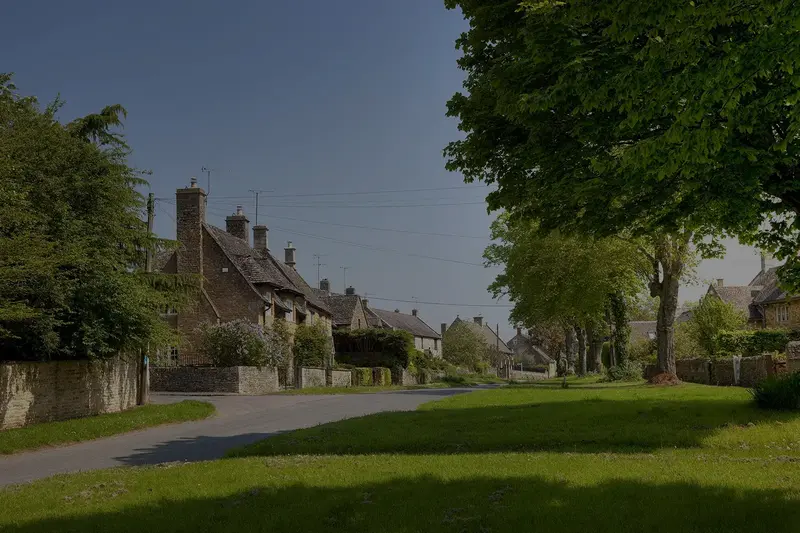
The villages and towns west and north of Oxford suit people who want a quieter base with a straightforward drive to the main employment corridors. Kidlington and the surrounding area sit close to the A34 and offer a calmer pace than the city.
Why it works
You get village or small-town living with a realistic drive to Oxford’s northern and western employment areas. It is a strong fit for shift workers who need a car and value an easy evening wind-down.
Insider tip
Test your commute at the actual time you will travel, not at a convenient midday slot. The A34 and the city’s ring road behave very differently at 07:30 than they do at 11:00.
Watch out for
Underestimating evening transport. Some village bus services wind down early, so if you rely on public transport for social plans, check the last service before you commit.
How to choose: a simple decision framework
Use these four criteria to rank your shortlist rather than relying on gut feel alone.
- Commute time: measure door to door at your real working hours, not the theoretical distance.
- Budget: factor in parking, transport passes, and any parking permit costs on top of rent.
- Vibe: city energy, market-town convenience, or village quiet. Be honest about which you will still enjoy in February.
- Transport: rail links for weekends away, bus frequency for car-free days, and cycling routes if you plan to ride in.
At a glance: a two-day area-finding itinerary
- Morning one: drive or ride your actual commute route from your top-choice area at the time you would normally travel.
- Lunch: eat in the town or neighbourhood centre you are considering, not just the estate you viewed.
- Afternoon one: visit two or three properties and check parking, broadband, and bin store access in person.
- Evening one: walk the area after dark to judge lighting, noise, and how you would feel coming home late.
- Morning two: test the nearest station or bus stop at peak time, including any changes.
- Afternoon two: shortlist two areas and compare total monthly costs side by side.
Local logistics to sort before you move
These are the practical details that decide whether your first month feels smooth or stressful.
- Getting there: Oxford and Bicester both have strong rail connections, with onward links toward London and Birmingham. Check current timetables and any planned engineering works before you rely on a specific service.
- Best times: view properties on a weekday evening as well as a weekend. Traffic, parking pressure, and noise tell different stories at different times.
- Booking notes: rental stock near major employment sites moves quickly. Have your references, proof of income, and ID ready before you view so you can move fast on the right place.
- Accessibility: if you have mobility requirements, check step-free access at the specific station or stop you will use, and confirm whether a property has ground-floor access or a lift. Details vary by building, so verify rather than assume.
Frequently asked questions
Where should I live for engineering and advanced manufacturing jobs in Oxfordshire if I do not drive?
Prioritise Oxford city neighbourhoods or Bicester near a station, where bus and rail links are strongest. Check the last service times for your specific route, as evening options thin out away from the main corridors.
Is Bicester a good base for commuting into Oxford?
Yes, for many people. It offers a fast rail link and good road access, plus more space for your budget than central Oxford. Confirm which of the town’s stations is closest to your chosen home, as routes differ.
How far ahead should I start looking for a rental?
Around six to eight weeks before your start date is a sensible window. Start earlier if you are moving in spring or late summer, when demand from new starters and students peaks.
What should I check before signing a tenancy near a science or business park?
Confirm parking arrangements, broadband availability at the exact address, and your real commute time at working hours. These three checks prevent most first-month frustrations.
Do I need a car to live in Oxfordshire?
Not necessarily, but it helps outside the main towns. If your employer sits away from a bus or rail corridor, a car or a bike gives you far more flexibility, particularly for early and late shifts.
Living well once you have chosen
Settling in is about more than the front door. The areas around Oxford and Bicester reward people who get involved locally: a regular café, a gym or running route, a weekend market, and neighbours you actually know. That mix of a manageable commute and a community you enjoy is what makes a relocation stick, and it is worth choosing your area with both in mind.

If you are planning a move for a new role, we would love to help you find a home that fits how you actually live and work. B-Hive Living builds comfortable, well-connected shared homes for young professionals and remote workers in Oxford and Bicester, with community at the centre. Take a look at our current rooms and send us an application when you are ready.
