

You have unpacked the last box, sorted the Wi-Fi, and found the nearest supermarket. Then Sunday evening arrives and the flat is silent. Relocating to Oxford or Bicester for a new job or a remote role often brings that odd mix of opportunity and empty weekends. The fix is rarely more apps or bigger social plans. It is usually the setup you come home to. This guide explains how community-led accommodation reduces relocation loneliness, what to check before you sign, and how to settle into Oxfordshire faster.
Quick answer: what actually helps
- Best option for most relocators: a managed shared or co-living home with a regular social rhythm, rather than a solo flat in an anonymous block.
- Best time to move: the start of a month, when most tenancies and house events begin, so you are not the only new face.
- Who it suits: young professionals and remote workers who want a private room but company in shared spaces.
- Quick logistics: Oxford and Bicester are linked by Chiltern Railways services from Oxford Parkway and Bicester Village, with journey times typically around 15 to 20 minutes. Check the current timetable before you commit.
- What to check: who runs house events, how often they happen, and whether bills and Wi-Fi are included.
Why relocation loneliness happens, and why housing is part of the fix
Loneliness after a move is rarely about being unsociable. It is about missing the low-effort contact that builds friendship: bumping into someone in a kitchen, walking to the shops together, or sharing a takeaway on a Tuesday.

A solo rental gives you a front door and not much else. Community-led accommodation builds those small, repeated moments into the setup. You still get your own space, but the shared areas and organised events do the introductions for you.
Research on loneliness consistently points to the same pattern: it is not the number of people around you that matters, but the quality and regularity of contact. That is why a house with a weekly dinner and a shared kitchen tends to beat a city-centre flat with a busy high street below it.
What community-led means in practice
It is more than a shared kitchen. Look for three things: a person or team responsible for house life, a regular rhythm of events, and shared spaces people actually use. Without all three, a “community” home is just a flatshare with nicer furniture.
Community-led accommodation options in Oxford and Bicester
The right choice depends on your budget, how much privacy you want, and how easily you can get to work. Here is how the main options compare.
Co-living and managed shared houses
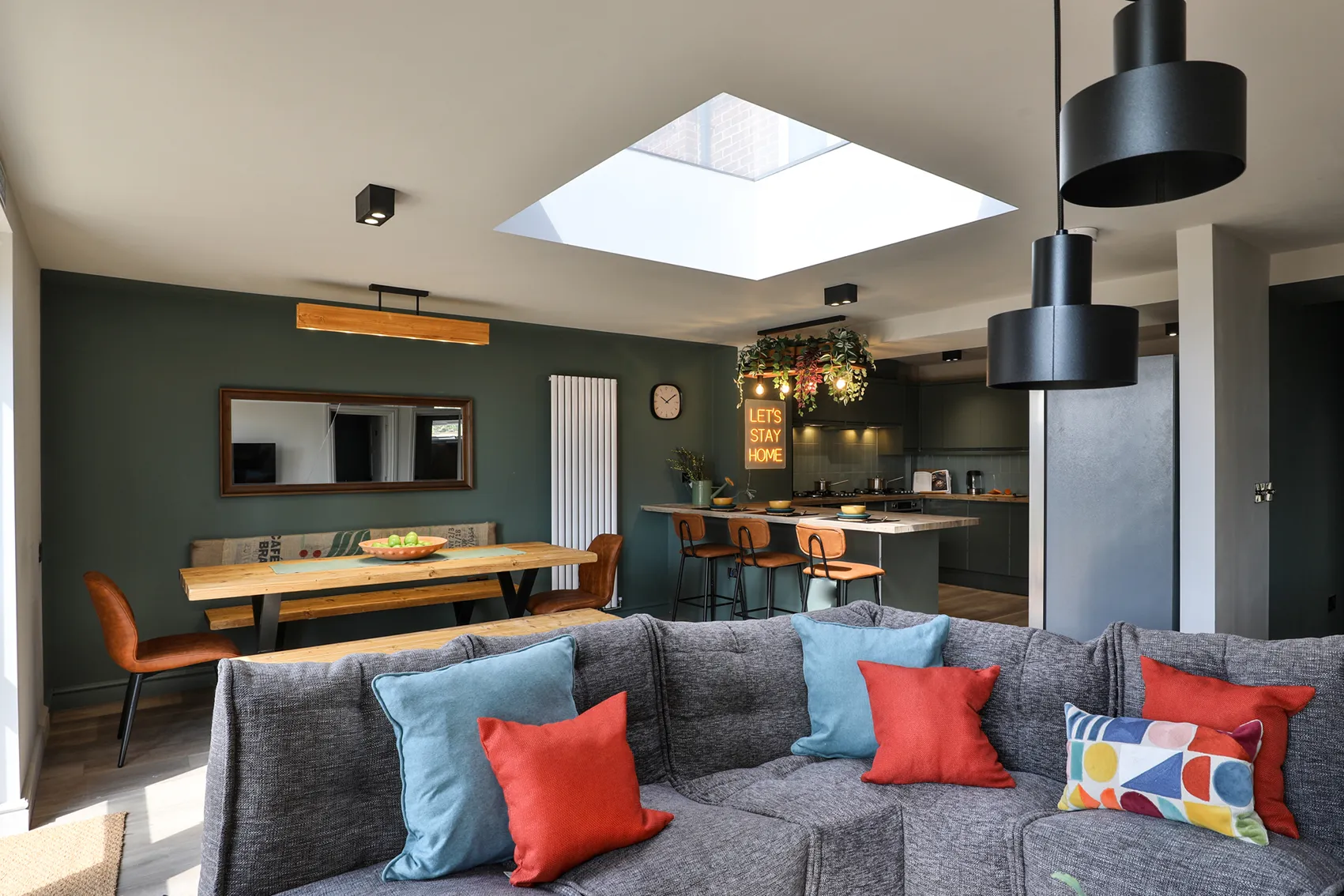
These are purpose-run homes where you rent a private room and share kitchens, lounges and sometimes workspaces. Why it is worth it: the social side is organised for you, which matters most in your first three months. Ask how often events run and whether attendance is optional. The best operators make it easy to join in without pressure, and they usually publish a house calendar or WhatsApp group before you move in.
Traditional house shares
Renting a room in an existing household can work well if the current tenants are settled and sociable. Why it is worth it: lower rents and a more homely feel. Visit in the evening if you can. A house that feels warm at 7pm tells you more than a midday viewing, and you will see whether people actually use the shared spaces.
Build-to-rent developments
Newer blocks in Oxford and around Bicester often include shared lounges, gyms and resident events. Why it is worth it: good amenities and central locations. Ask how many residents actually attend the events, not just how many are advertised. A concierge can tell you which nights are busiest.
Living in Bicester and commuting to Oxford
Bicester offers more space for your money and fast train links into Oxford. Why it is worth it: a calmer base with easy access to both towns. Check the walk from your home to the station before you commit, especially in winter, and confirm the last train time if you plan to stay out in Oxford.
How to choose the right place for you
Use these criteria to compare homes rather than judging on photos alone.
- Budget: work out your true monthly cost including bills, travel and any service fees.
- Vibe: quiet and studious, or lively and social? Both exist, and mismatching is the most common regret.
- Timing: moving at the start of a month usually means more housemates are around to meet.
- Transport: check bus and train routes to your workplace or nearest co-working space.
- Privacy: confirm whether your room has a desk, a lock and enough sound insulation for calls.
Questions to ask before you sign
- Who organises house events, and how often do they happen?
- Are bills, Wi-Fi and cleaning included in the rent?
- How are shared spaces maintained and by whom?
- What is the process if a housemate leaves or a room is empty?
- Is there a quieter area for remote work and calls?
Common mistakes to avoid
Two traps catch most relocators. First, choosing purely on price and ending up somewhere with no social structure, which often costs more in takeaway coffees and lonely evenings. Second, saying yes to the first room because you are under time pressure, without checking the commute or the house culture.
Slow down for one extra viewing. It is cheaper than moving twice. If you are relocating from outside Oxfordshire, ask for a video tour of the shared spaces as well as your room, and speak to a current housemate if the operator allows it.
Three insider tips most guides miss
- Ask about the summer lull. In Oxford, many social groups thin out between July and September as students leave. A house with a year-round calendar keeps things steady when the city quietens down.
- Check the winter train times, not the summer ones. Bicester to Oxford services can feel very different on a dark Tuesday in January. Try the journey once at the time you would actually travel before you commit.
- Look at the kitchen, not the lounge. A well-used kitchen with a shared shelf system tells you more about daily life than a styled lounge. If the kitchen feels lived-in at 6pm, the community is real.
At a glance: your first two weeks
- Day 1 to 2: unpack, set up your workspace, find your nearest shop and café.
- Day 3: join the first house event, even if you only stay for an hour.
- Day 5: walk or cycle your commute at the time you would actually travel.
- Week 1: find a co-working space or café for a change of scene.
- Week 2: try one local club, class or meet-up linked to something you already enjoy.

Local logistics for Oxford and Bicester
Getting around is straightforward once you know the basics. Trains connect Oxford and Bicester regularly via Chiltern Railways, and both towns have good bus networks and cycle routes. Oxford is compact and best explored on foot or by bike; Bicester is more spread out, so check your route before choosing a home.
Book viewings early, especially for rooms near stations or city centres, as good ones move quickly. If you have accessibility needs, ask directly about step-free access, lift availability and room layouts before viewing. It is also worth checking whether your chosen area has a regular bus service in the evening, not just during the day.
FAQs about community-led accommodation
Can community-led accommodation really reduce relocation loneliness?
It can help significantly, because it creates regular, low-pressure contact with the same people. Friendship tends to grow from repetition rather than big events, and shared housing provides that naturally. The key is choosing a home where the social side is actively managed, not just advertised.
Is co-living more expensive than a standard flatshare?
Often yes, but the gap narrows once you factor in included bills, Wi-Fi and amenities. Compare total monthly costs rather than headline rent, and ask what a typical month of bills looks like in winter.
What if I am introverted and prefer my own space?
Choose a home where events are optional and your room is a genuine retreat. You can join in at your own pace without feeling obliged to socialise every evening. A room with a desk and good sound insulation makes remote work easier.
Do I need to live in Oxford to meet people there?
No. Many people live in Bicester and spend time in Oxford for work or social plans. The train link makes it practical, though it is worth checking the timetable for the times you would actually travel.
How soon should I start looking before I move?
Start browsing four to six weeks ahead and book viewings as soon as you can travel. Popular rooms near transport links go quickly, and having a shortlist ready makes the decision less rushed.
Living well starts with the right front door
Settling into a new city is easier when your home does some of the work for you. A well-run shared house gives you privacy when you need it and company when you want it, plus people who know the area and can point you to the good café, the quieter gym and the quickest route to the station. That combination is what makes a relocation feel less like a logistics exercise and more like a life.
If you are planning a move to Oxford or Bicester and want a home with a genuine social side, B-Hive Living would love to hear from you. Apply to live with us and start your next chapter with neighbours who are glad you arrived.
