

You have a contract in Oxfordshire, a start date in a few weeks, and a spreadsheet open on two tabs: Oxford and Bicester. One is the postcode everyone recognises, the other keeps coming up as the sensible option. This guide compares corporate accommodation in Oxford and Bicester on the three things that shape a working week: what you pay, how you travel, and what your evenings look like. By the end you will know which town fits your contract, not just your CV.
Quick answer: which town suits which worker
- Choose Oxford if your role is city-centre based, you walk or cycle to work, and you want the historic core on your doorstep.
- Choose Bicester if you want more space per pound, easy M40 access, and a short rail link into Oxford.
- Best for hybrid workers: Bicester, where a proper home office and a fast train into Oxford can coexist.
- Best for short placements: Oxford, where most commitments sit within walking distance.
- Check before you commit: current train times, parking arrangements, and whether your employer offers travel support.
Cost: what your money actually buys in corporate accommodation in Oxford and Bicester
Oxford commands a premium because demand from students, academics, and professionals outstrips supply, especially in the centre and around Jericho, Summertown, and Headington. Bicester tends to offer more floor space and newer builds for a comparable outlay, which matters when you need a real desk rather than a corner of the living room.

Rather than chase figures that shift with the market, treat cost as a ratio: monthly rent against usable rooms, commute spend, and the time you gain or lose each day. A cheaper base that adds an hour of daily travel is rarely the bargain it first appears to be.
Oxford: where the premium goes
You are paying for proximity. Living centrally means short walks to offices, libraries, cafes, and the rail station. Insider tip: look just outside the ring road in Marston or Cowley, where you can often find more space and still cycle into the centre in under twenty minutes.
Bicester: where the value sits
Bicester’s appeal is space and connectivity. Newer developments tend to include dedicated work areas, and the town’s position near the M40 suits anyone splitting time between Oxford, London, and the Midlands. Insider tip: confirm whether your development includes allocated parking, because on-street parking on newer estates is often tightly managed.
Commute: time, cost, and reliability
The commute usually decides the Oxford versus Bicester question. Oxford rewards walkers and cyclists; Bicester rewards those comfortable with a short train or drive. If you must be on site five days a week, the daily rhythm of each option will shape your energy far more than the rent does.
Train
Bicester has stations serving the Oxford direction, with journey times that make daily commuting feasible for many workers. Timetables and season ticket prices change, so check the current schedule before you sign a lease. Common mistake: assuming a peak service runs as frequently as it does off-peak. Time your trial journey at the hour you would actually travel.
Car
Driving from Bicester into Oxford means contending with the city’s traffic restrictions and limited central parking. If you drive, factor in park-and-ride costs and confirm your accommodation includes a space. Insider tip: Oxford’s park-and-ride sites fill early on weekdays, so aim to arrive well before the morning peak.
Walking and cycling
In Oxford, a bike often beats a car for short central trips. Bicester is flatter and increasingly cycle-friendly, but distances between home and station are longer, so an e-bike or a reliable bus link helps.
Lifestyle: what your evenings look like
Oxford offers a dense social and cultural calendar, from pubs and theatres to riverside walks. Bicester is quieter day to day but has its own draw, including the designer outlet village and quick access to countryside. Which suits you depends on whether you want stimulation on your doorstep or a calmer base to return to.

A shortlist to test in Oxford
- Jericho: a village feel within walking distance of the centre, good for pub evenings and independent shops. Insider tip: it is popular with professionals, so short-term availability moves fast.
- Cowley Road: a lively, diverse stretch with affordable food and a strong cycling route into town.
- Summertown: quieter and leafier, with good everyday shops, best if you want calm but still central.
A shortlist to test in Bicester
- Town centre: closest to both stations and the outlet village, ideal if you want to walk to the train.
- Kingsmere and newer edge developments: more space and parking, popular with remote workers who need a study.
- Bicester Village area: convenient for shopping and rail, though busier at weekends. Insider tip: check noise levels on a Saturday before committing.
How to choose: a simple framework
- Map your week: count how many days you must be on site versus working remotely.
- Price the commute: add season tickets, fuel, and parking to the rent before comparing.
- Test the vibe: spend an evening in each town before deciding.
- Check the lease terms: confirm notice periods and whether bills are included.
- Verify logistics: parking, broadband speed, and proximity to shops or a gym.
At a glance: a two-day comparison trip
- Day one: base yourself in Oxford, walk the centre, and time a cycle from a residential neighbourhood to your likely workplace.
- Day two: stay in Bicester, take the train into Oxford at peak time, and experience the commute for yourself.
- Evening: eat locally in each town to gauge the atmosphere after working hours.
- Before you book: note the walk from each base to the station, the nearest supermarket, and where you would work out.
Local logistics to sort early
Book viewings ahead, especially for short-term corporate lets, as good properties move quickly. Confirm what the rent includes, from utilities to cleaning, and ask about minimum stay lengths. For accessibility, check step-free access at stations and whether your building has a lift, since older Oxford properties in particular can be restrictive. Common mistake: leaving the parking question until after you sign. In both towns, a space can be the difference between a smooth week and a daily scramble.
Frequently asked questions
Is Bicester cheaper than Oxford for corporate accommodation?
Generally yes, particularly for larger or newer properties, though you should weigh any added travel costs against the saving.
How long is the commute from Bicester to Oxford?
By train it is typically a short journey, but times vary by service, so check the current timetable before relying on it daily.
Do I need a car if I live in Bicester?
Not necessarily, but a car or good bus links make everyday errands easier, especially outside the town centre.
Which is better for remote workers?
Bicester often wins on space for a dedicated office, while Oxford wins on cafes, co-working, and walkability.
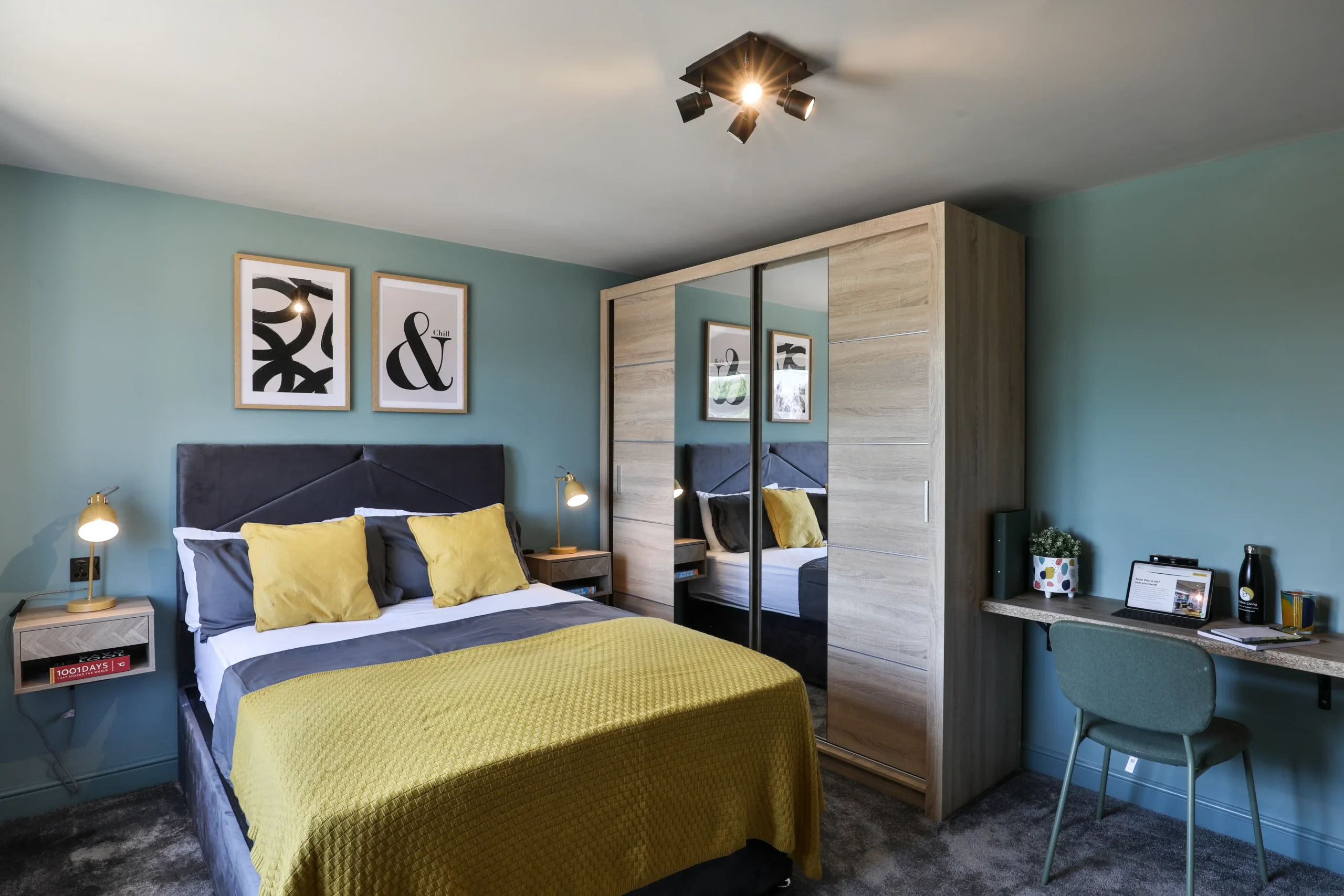
Can I find short-term lets in both towns?
Yes, both offer short-term options, but availability is tighter in Oxford, so start your search early.
Where you live shapes how you work, rest, and connect with the people around you. Oxford and Bicester each offer a genuinely different version of Oxfordshire living, and the right choice is the one that matches your working week rather than someone else’s. B-Hive Living builds communities for professionals and remote workers across the region, so you can settle in quickly and feel at home from the first week.
If you are planning a move and want a base that balances comfort, location, and a welcoming community, we would love to hear from you. Get in touch to apply to live with B-Hive Living and find your next home in Oxfordshire.
