

Relocating for Work: Why B-Hive Beats Standard Bicester Hotels
If you’re moving for a new role in Oxford or Bicester, “just staying in a hotel” can feel convenient at first—until you factor in real life. You need space to work, somewhere to unwind properly after meetings, and routines that don’t collapse after a week. Bicester can be busy during the week, so having a base that supports your day-to-day matters more than you’d expect.
This guide compares B-Hive with standard Bicester hotels for relocating professionals. You’ll get a practical, no-fluff breakdown of what to choose, when to book, and how to make the smoothest transition—so your first weeks feel steady, not stressful.
Quick answer: is B-Hive better than a Bicester hotel for relocation?
- Best overall for relocating professionals: B-Hive, if you want a work-friendly base with home comforts.
- Best time to start planning: 2–4 weeks before your start date (or as soon as you know your move window).
- Best for: remote workers, hybrid teams, and anyone who needs to reset their routine quickly.
- Quick logistics: consider how long you’ll need temporary accommodation, then match it to your work routine (calls, quiet time, laundry, cooking needs).
Takeaway: A hotel is built for short stays; relocation needs a base you can live out of.
Hotels are designed for a night or two at a time. When you’re relocating for work, you’re usually there for weeks—building habits, getting paperwork in order, and fitting meetings into your day. That’s where B-Hive’s longer-stay approach tends to feel more natural.

More “living” and less “checking in and out”
With standard hotels, you’ll often repeat the same patterns—breakfast on the run, limited storage, and less flexibility around cooking or laundry. B-Hive is designed to support day-to-day routines, which is exactly what makes the first month easier.
Insider tip: before you choose, list the non-negotiables you’ll need for work—quiet space for calls, a comfortable desk setup, and somewhere to keep essentials organised. The right accommodation will match that list, not just the location.
Consistency helps your first weeks feel calmer
Relocation is already a change: new commute, new neighbourhoods, new faces. A stable base reduces friction. When your accommodation supports your routines—sleep, meals, downtime—it’s easier to focus on settling into the role.
Takeaway: Work-friendly comfort is the real differentiator when you’re relocating.
If your job involves remote days, client calls, or deep-focus tasks, the accommodation setup becomes part of your productivity. Bicester hotels can be perfectly fine for travellers, but they rarely fit the rhythm of working from home.
Desk time, meetings, and “quiet hours”
Think about where you’ll actually work: lighting, chair comfort, noise levels, and whether you can concentrate without constantly adjusting your setup. A relocation-ready stay prioritises a calmer environment, so your workday feels smoother.
Insider tip: do a 24-hour “real life” test on your future schedule. Include a morning call, an afternoon task, and an evening wind-down. If you can’t picture yourself doing that comfortably, it’s a sign to dig deeper.
Meals that fit your routine (not just hotel schedules)
Hotel breakfasts and takeaway convenience can be a lifesaver—but they can also get repetitive quickly and push your budget up if you’re there for long enough. Having the option to prepare meals (and store groceries properly) can make a noticeable difference.
Common mistake to avoid: comparing only nightly rates. For longer stays, total cost includes eating out, travel to shops, and the time and effort of living on the go.
Takeaway: Better logistics can save your energy—especially in Oxfordshire.
Oxford and Bicester each have their own pace. During relocation, you’ll likely be doing admin, meeting people, shopping for essentials, and figuring out transport. Accommodation that reduces friction helps you get out of “move mode” faster.
Getting settled around Bicester and Oxford
Bicester is a practical base for Oxfordshire connections. A good temporary home should also make local errands easier—so you’re not spending weekends simply restocking basics.
Insider tip: check how you’ll get groceries, laundry items, and office essentials within your first week. If that feels like a logistical headache, you’ll feel it more than you expect.
Access to routines that support your week
Relocation usually comes with a “moving checklist”: unpacking, setting up your work space, sorting out post, and getting to appointments. A longer-stay set-up makes those tasks feel normal instead of disruptive.
Takeaway: Choose Bicester temporary accommodation by matching it to your work style.
The best option isn’t just “cheapest” or “closest”. It’s the place that supports your specific workflow—especially if you’re hybrid or working from home part of the time.
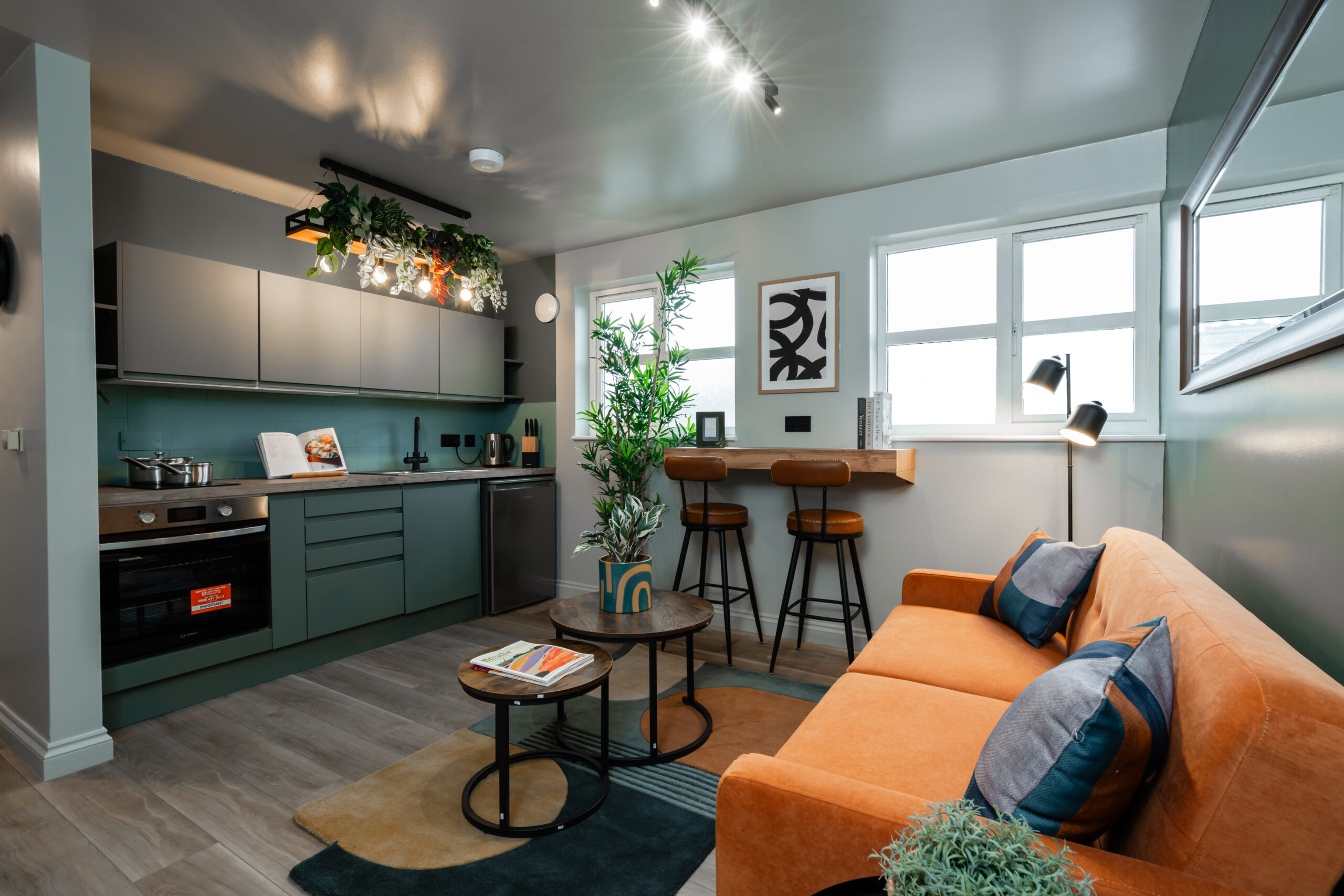
How to choose (quick criteria)
- Budget: compare total stay cost, not just nightly pricing.
- Vibe: think calm vs. transient—will you be able to relax properly between workdays?
- Timing: if you’re staying several weeks, prioritise storage, routine support, and practical comfort.
- Transport: plan your commute and your local errands. Convenience reduces stress when you’re new to the area.
- Work setup: consider calls, focus time, and how you’ll manage your day.
Who B-Hive suits best
B-Hive is a strong fit for young professionals and remote workers who want a reliable, relocation-friendly base in Oxfordshire—particularly if you’re moving with equipment, building a routine, and aiming for a smooth transition into a new job.
At a glance: a relocation stay checklist
- How long are you staying? Days vs weeks changes what “good” means.
- What’s your work rhythm? Calls, focus time, hybrid days.
- Do you need laundry support? If you’re unpacking and moving, think about clothing rotation.
- Where will meals come from? Eating out constantly can add cost quickly.
- Storage matters: can you unpack and keep essentials tidy?
- Quiet and comfort: the ability to reset after a long day is underrated.
Local logistics: making your move to Bicester smoother
Relocating for work often means you’re balancing time pressure with a lot of admin. A few practical steps can help you get through the first week without losing momentum.
Getting there
When choosing temporary accommodation in Bicester, consider your likely routes to Oxford and to any workplaces you’ll visit in person. If you’re unsure, confirm your typical commute method (car, train, or a mix) and pick a base that makes that routine easy.
Best times to book
Availability for temporary stays can tighten around peak moving seasons and busy work periods. As a rule of thumb, start your search 2–4 weeks before your start date (or sooner if you’ve only just confirmed your move window).
Booking notes (what to check)
- Length of stay flexibility: can you extend if your permanent move takes longer?
- Housekeeping expectations: what’s included, and how often?
- Work-from-base reality: whether the space supports quiet time and comfort.

Accessibility considerations
If you have accessibility needs (mobility, step-free access, or other requirements), check the accommodation details directly before booking. If information isn’t clear online, it’s worth asking the provider to confirm what will work for you.
Common questions when relocating to Bicester for work
Tip: these are the questions most people only think about after they’ve committed—so it’s worth checking them now.
Is B-Hive better than a standard Bicester hotel for a work relocation?
For many relocating professionals, yes—especially if you need to work comfortably, maintain routines, and stay for more than a couple of nights. The advantage comes from “living-ready” comfort rather than short-stay hotel logistics.
How long should I plan for temporary accommodation in Bicester?
It depends on how quickly your permanent place is confirmed. Many people aim for a few weeks to allow time for viewings, paperwork, and setting up. If your timeline is unclear, prioritise flexible extension options.
What’s the best area or base for working around Oxford and Bicester?
Choose a base that fits your commute and your weekly errands. If your work schedule changes (hybrid days, visits to different sites), convenience and flexibility tend to matter more than “being right next to everything”.
Will I be able to work from my temporary stay?
That depends on the accommodation setup—particularly desk comfort, noise levels, and whether you have a space that supports calls and focused work. When you check options, imagine your real day (morning meetings, quiet focus, and evening wind-down).
What should I avoid when booking relocation accommodation?
A common mistake is comparing only the nightly cost and ignoring total cost and time impacts (meals, travel for essentials, and the hassle of living out of bags). Another is underestimating how much storage, routine support, and quiet space you’ll need once the novelty wears off.
Relocating with confidence—so you can focus on work and life
Moving to Oxfordshire for work shouldn’t feel like you’re always “between places”. B-Hive Living is built around the reality of staying somewhere for longer—helping you create routines, settle into your week, and feel more at home while you get established.
Where you live temporarily matters. When your accommodation supports your workday and downtime, you’ll have more energy for building a life in Oxford or Bicester—one calm day at a time.
Ready to make your move smoother? Apply to live with B-Hive and choose a relocation-ready base that supports how you actually work and live in Oxfordshire.
