
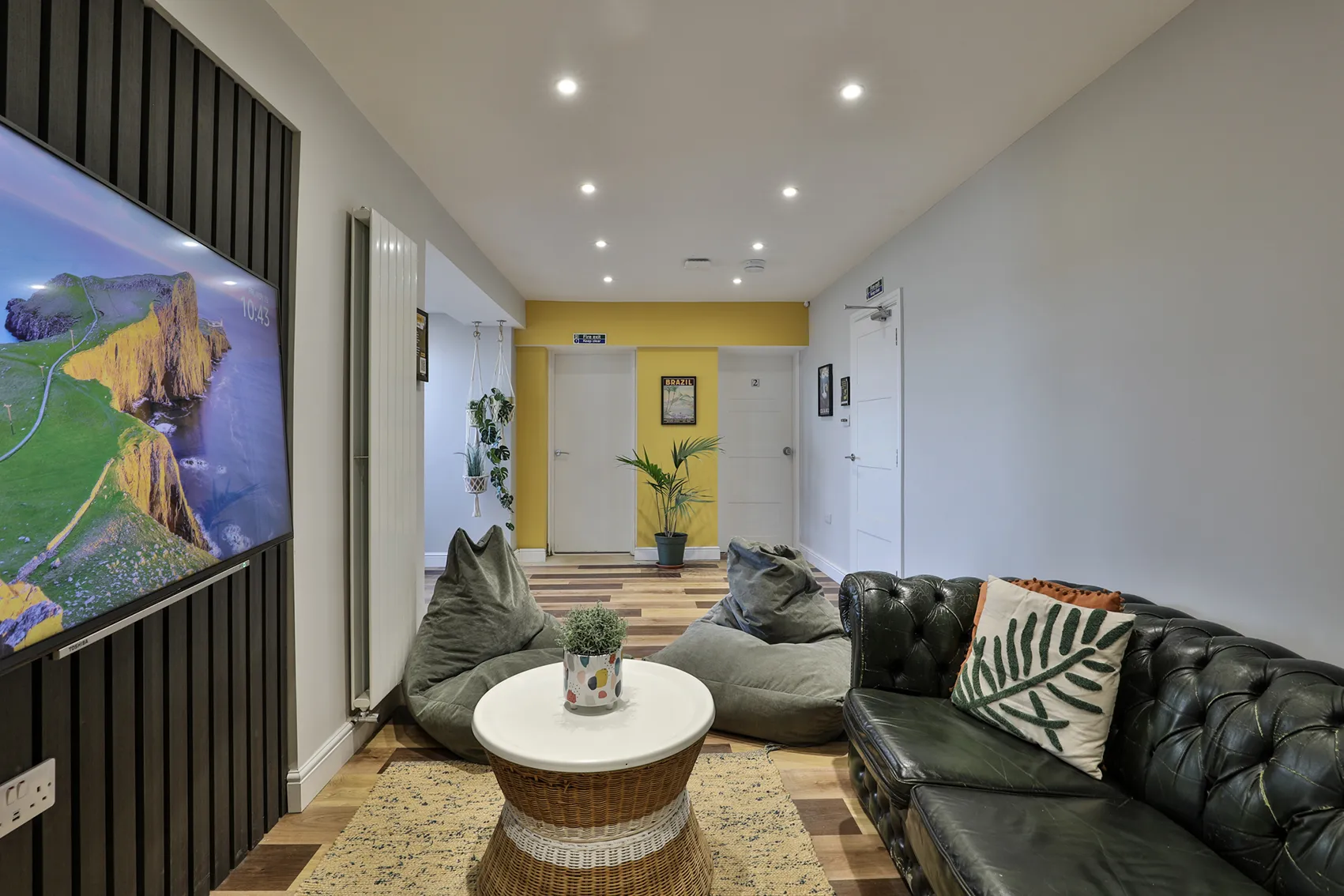
The Rise of All-Inclusive Studio and One Bedroom Apartments for Rent
If you’re moving to Oxford or Bicester, or you’re already working remotely and want a calmer, simpler setup, bills and admin can feel like a second job. All-inclusive studio and one bedroom apartments are designed to remove that friction: one monthly price, fewer separate payments, and more predictable budgeting. In this guide, you’ll learn what “all-inclusive” really includes, which places suit different lifestyles, and how to choose the right apartment without getting caught out by hidden exclusions. You’ll also find local, practical logistics so you can plan your move confidently—whether you’re viewing this weekend or arranging remotely.
Quick answer: what’s best about all-inclusive rentals?
Takeaway: They’re easiest for budgeting and remote living—especially when you want fewer bills to manage.
- Best for: Remote workers, professionals on a predictable monthly budget, and anyone who hates chasing utility payments.
- Best time to look: Aim for 2–4 weeks before you move so you can compare options and avoid last-minute choices.
- Most common setups: Studios for maximum simplicity; one bedroom for more space and a clearer work-from-home boundary.
- Quick logistics: Check what’s included (and what isn’t) before you commit—especially internet, council tax, and utilities.
Why all-inclusive apartments are rising in popularity
Takeaway: People want predictable costs and less admin, not just a place to sleep.
1) Remote work makes monthly planning matter more
When you work from home, consistency helps: reliable internet, stable utilities, and fewer surprise charges. Many renters now prioritise “comfort + certainty” over squeezing every bill into a separate spreadsheet.
Insider tip: Treat the internet as a work tool, not a convenience—ask about connection type and whether it’s included in the all-inclusive price.
2) Studios and one beds fit modern schedules
Shorter commuting times, hybrid work, and flexible lifestyles mean smaller spaces are often enough—especially if storage and layout are well thought out.
Insider tip: Look for a plan that supports both living and working (e.g., a natural separation between bed area and desk area).
3) The cost of “separate bills” adds up fast
Energy prices, service charges, and payment deadlines can create budgeting stress. All-inclusive models aim to make the monthly number feel more stable.
Common mistake to avoid: Assuming “all-inclusive” always means council tax and broadband are covered. Confirm in writing.
What “all-inclusive” usually means (and what to verify)
Takeaway: The label can vary—your job is to confirm the exact inclusions and exclusions.
Common inclusions to ask about
- Utilities: Often electricity and heating (sometimes water too).
- Broadband: May be included, but check speed expectations and any fair usage policies.
- Service charges: Building maintenance and shared area upkeep (where applicable).
- Wi-Fi setup: Whether you get it ready-to-use or need to activate it.
Common exclusions (where surprises happen)
- Council tax: Frequently not included—varies by provider and property arrangement.
- Contents insurance: Usually separate unless explicitly stated.
- Parking: Not always included (if available at all).
- Peak usage or metered limits: Some models include utilities up to a point—verify how that’s handled.
Common mistake to avoid: Signing based on a brochure line without checking the tenancy documentation. If it’s not clear in writing, ask for clarification before paying any fees.
Choosing between an all-inclusive studio and a one bedroom
Takeaway: Pick the layout that matches how you live, not just how you commute.
Studio apartments: simple, streamlined, efficient
Studios work well if you’re out most of the day, you don’t need a separate guest space, and you’re happy creating a “zone” for work.
Insider tip: Choose a studio with practical storage (wardrobe + under-bed or built-in options). It’s the difference between calm and clutter in a smaller footprint.

One bedroom apartments: better boundaries for work and rest
If you want a clearer separation between your working life and your downtime, a one bedroom can help—especially if you host occasionally or need a dedicated place for focus.
Insider tip: Check the desk location and natural light. If the bedroom blocks daylight, your “work corner” may become a compromise.
How to choose an all-inclusive rental that fits Oxford and Bicester life
Takeaway: Use a checklist—budget, vibe, timing, and transport should decide the short list.
Budget clarity
Compare the all-inclusive monthly total alongside what you’d pay in a traditional setup. Confirm what’s included, and whether there are caps, separate council tax responsibilities, or additional service charges.
Vibe and daily routine
- Do you prefer a quieter residential feel or somewhere more lively?
- Are you likely to work long calls at home? If yes, ask about sound considerations (walls, windows, communal areas).
- Is there space for bike storage or walking routes you’ll actually use?
Timing and move-in practicalities
- Ask when utilities and internet are active.
- Check the availability window—some rentals suit flexible moves more than fixed dates.
- Confirm the process for remote viewing if you can’t be in person.
Transport and commute realism
Even if you work hybrid, you’ll still need easy routes for errands, shopping, and occasional office days. Use the walk-to-transport reality, not just distance.
Insider tip: If you’re commuting by train or bus, plan a “normal day” test: how long it takes with typical timing, not just the fastest connection.
At a glance: your all-inclusive apartment checklist
- Inclusions: Confirm utilities, internet/broadband, and any service charges.
- Exclusions: Council tax, contents insurance, parking, and any usage limits.
- Layout: Studio work zone vs one-bed boundary for calls and focus.
- Costs: Total monthly number plus any one-off move fees.
- Practicalities: Move-in timing, remote viewing options, and accessibility notes.
- Reliability: Ask about internet stability and heating comfort (especially in winter).
Local logistics: getting the move right in Oxford and Bicester
Takeaway: A smooth start comes from confirming details before you arrive.
Getting there for viewings
If you’re doing viewings in Oxford and Bicester, build in travel time for parking (if driving) or for station-to-property walking. For remote workers, remote-first viewing can work well—just ask for a video walkthrough that shows storage, desk space, and internet setup location.
Best times to view and decide
Daylight viewings help you judge natural light (useful for a home office). If you’ll be commuting, view around the times you’d realistically travel so you get a feel for the day-to-day rhythm.
Booking notes and documentation
Before you book, request the full tenancy terms and a clear breakdown of inclusions/exclusions. If anything is unclear, ask questions early—response times can vary by provider.
Accessibility and comfort
If accessibility matters (step-free access, lift availability, or bathroom layout), include it in your initial questions. Don’t rely on assumptions—confirm key details in writing.
FAQs about all-inclusive studio and one bedroom rentals
Takeaway: Clear answers to the questions people usually worry about.
What does “all-inclusive” mean for a studio or one bedroom apartment?
It typically refers to a fixed monthly price that covers certain utilities and building-related costs, but it varies by provider. Always confirm exactly what’s included (and what’s not), particularly internet/broadband and council tax.
Are council tax and broadband included in all-inclusive rentals?
Not always. Some all-inclusive offers include broadband or certain utilities, but council tax is often excluded. Check the tenancy documentation for a definitive answer.

Is an all-inclusive apartment good for remote work?
It can be, especially if broadband is reliable and heating/energy costs are predictable. Ask about internet setup and stability, and test the workspace during viewings if possible.
Should I choose a studio or a one bedroom in Oxford/Bicester?
Choose a studio if you want a simpler, efficient layout and you’re happy creating a work zone within one room. Choose a one bedroom if you want separation between sleep and work, or if your routine includes calls, guests, or longer time at home.
What are the most common mistakes when renting an all-inclusive place?
The biggest ones are assuming inclusions automatically cover everything (like council tax) and signing without reading the tenancy terms. Always ask for written confirmation of inclusions/exclusions and any limits.
Can I move in remotely if I’m not local to Oxford or Bicester?
Some providers can accommodate remote viewing and remote processes, but availability depends on the property and the provider’s policies. Ask early about how viewings, paperwork, and move-in arrangements work.
Final word: living well with fewer admin headaches
All-inclusive studio and one bedroom apartments are rising because they match the way people actually live now: work-from-home days, hybrid commutes, and a strong preference for predictable costs. When you get the details right—what’s included, how the space works for your routine, and what documents say—you can settle in faster and feel more at home sooner. In Oxford and Bicester, that “settled” feeling matters: you’ll have the energy to explore, connect, and build your own rhythm.
Ready to make it easier? If you’re looking for a comfortable, community-minded place to live with clear monthly arrangements, consider applying with B-Hive Living. Share your move-in timing, what you need for work and rest, and we’ll help you find the right fit.
