
Arrive Effortlessly: The Perks of a Self-Contained Studio Flat in Bicester
If you’re moving to Bicester for work, switching to hybrid days, or simply trying to make life easier after a busy commute, a studio flat can feel like a breath of fresh air. A self-contained setup means you can unpack once, settle in quickly, and still enjoy privacy, comfort and flexibility—without negotiating shared facilities or squeezing your routine around other people’s schedules. This guide walks you through the practical perks you’ll actually notice day to day, plus how to choose the right studio for your lifestyle and logistics from day one.
Quick answer:
- Best options: self-contained studios close to transport links (for easier commutes) and with good storage (for smoother settling-in).
- Best time to look: aim for viewings in the late afternoon/evening to get a true feel for light and noise.
- Who it’s for: remote workers, young professionals, and anyone who wants privacy with minimal day-to-day admin.
- Quick logistics: check bills/council tax arrangements, parking access (if needed), and how quickly you can set up utilities/internet.
Takeaway: A self-contained studio flat in Bicester is built for independence without extra hassle.
Privacy and control over your routine
In a self-contained studio, your living space is yours—so you’re not sharing bathrooms, kitchen space, or quiet hours. That matters if you work from home, have early calls, or simply want the freedom to cook or wind down on your own timetable.
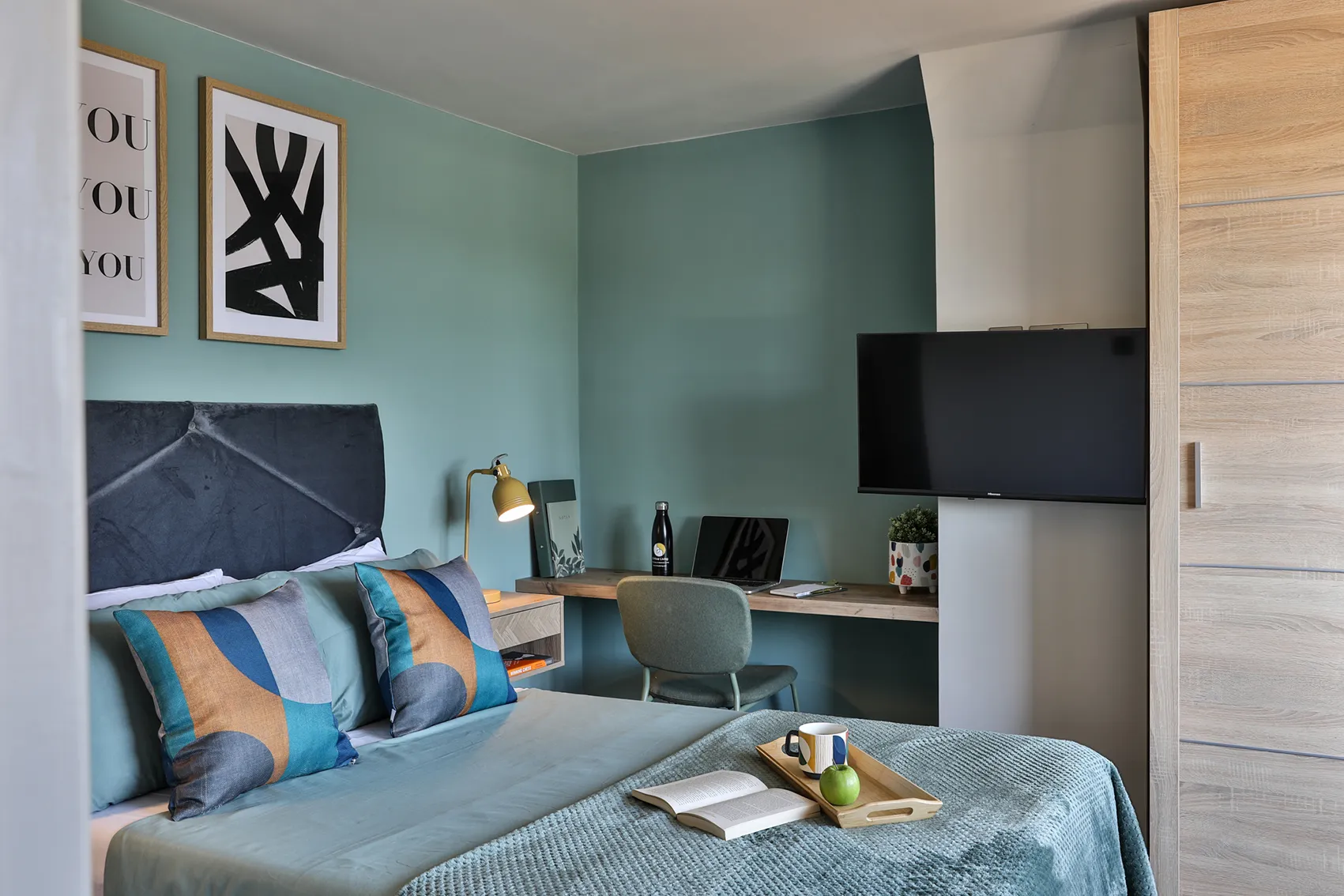
Insider tip: if you’re remote-working, ask (or check) whether there’s a designated spot for a desk and whether the power points are where you’ll actually need them for a laptop, monitor, and charging.
Everything you need, in one place
Studios typically combine sleeping, living and cooking into one layout. The upside is simple: you’re not constantly moving items between rooms, and day-to-day tasks take less time. When you’re juggling work, errands, and social plans in and around Oxfordshire, that efficiency adds up.
Less friction when you’re new to the area
Relocating can be more tiring than you expect—setting up accounts, finding local shops, and learning routes. A self-contained studio reduces the “settling” curve: you can unpack, cook, and manage your daily rhythm straight away.
Takeaway: Self-contained means fewer shared issues and fewer “life admin” headaches.
Lower impact from shared-space problems
Shared facilities can be convenient until something goes wrong: a scheduling conflict, a cleaning disagreement, or a practical issue like hot water timing. Self-contained living generally removes that layer and keeps your day-to-day experience steadier.
Cleaner boundaries for work-from-home (and rest)
Remote workers often find that shared environments make it harder to switch off. Even if your studio is open-plan, you still get a clear separation: “home is for living”, “outside is for work”. Small boundaries help your mind settle.
Insider tip: bring a soft lighting option (a warm desk lamp or lamp shade) rather than relying only on overhead lights—studios can feel bright at first and then strangely tiring in the evening.
More predictable mornings
When you’re not waiting for others, your morning routine is calmer. That’s especially useful if you’re catching buses to Oxford/Bicester connections or taking a train for occasional office days.
Takeaway: The best studio fits your lifestyle—layout, storage and transport access matter more than you’d think.
How to choose: budget, vibe and practicalities
When you’re comparing self-contained studio flats in Bicester, keep your shortlist tight. These criteria usually make the biggest difference:
- Budget clarity: check what’s included (and what isn’t). If bills aren’t clear, ask before you commit.
- Layout that works for you: does there’s space for a desk and chair, or will you be working from the bed?
- Storage: look for built-in wardrobe space or shelving so your studio doesn’t turn into a permanent “open plan clutter” situation.
- Light and noise: if possible, view at different times of day to understand natural light and any street/footfall noise.
- Transport and errands: think about how you’ll get to work and how often you’ll need shops, gyms or deliveries.
Timing matters: view late afternoon or early evening
Daytime viewings can hide issues like glare, temperature and evening noise. Late afternoon/evening checks help you picture what it feels like when you’re actually living your routine.
Common mistake to avoid: choosing purely on photos. Photos can flatter layouts and hide tight circulation routes, storage gaps, or awkward desk positioning.
Plan for your “first month” setup
Studios are easier to live in when you set them up with intention. Consider what you’ll keep out, what can be stored away, and how you’ll manage laundry, bedding changes and meal prep.
Insider tip: measure your “daily footprint” (desk space, chair pull-out, wardrobe opening) before you buy anything large—studios can punish assumptions.
Takeaway: A smart studio can feel bigger—if you use the space in a practical way.
Make open-plan work for you
Open-plan living doesn’t have to feel chaotic. Think in zones: a work zone (desk + lamp), a rest zone (bed + soft bedding), and a “kitchen workflow” zone (where dishes, drying rack and food prep items live).
Storage and furniture choices that pay off
You don’t need to fill a studio. Choose a few pieces that do multiple jobs: under-bed storage, stackable organisers, or a compact table that works for both meals and laptop time.
Common mistake to avoid: overbuying “studio furniture” without checking whether it will fit around doors, radiators, or the kitchen entryway.
Kitchen practicality: cook without complications
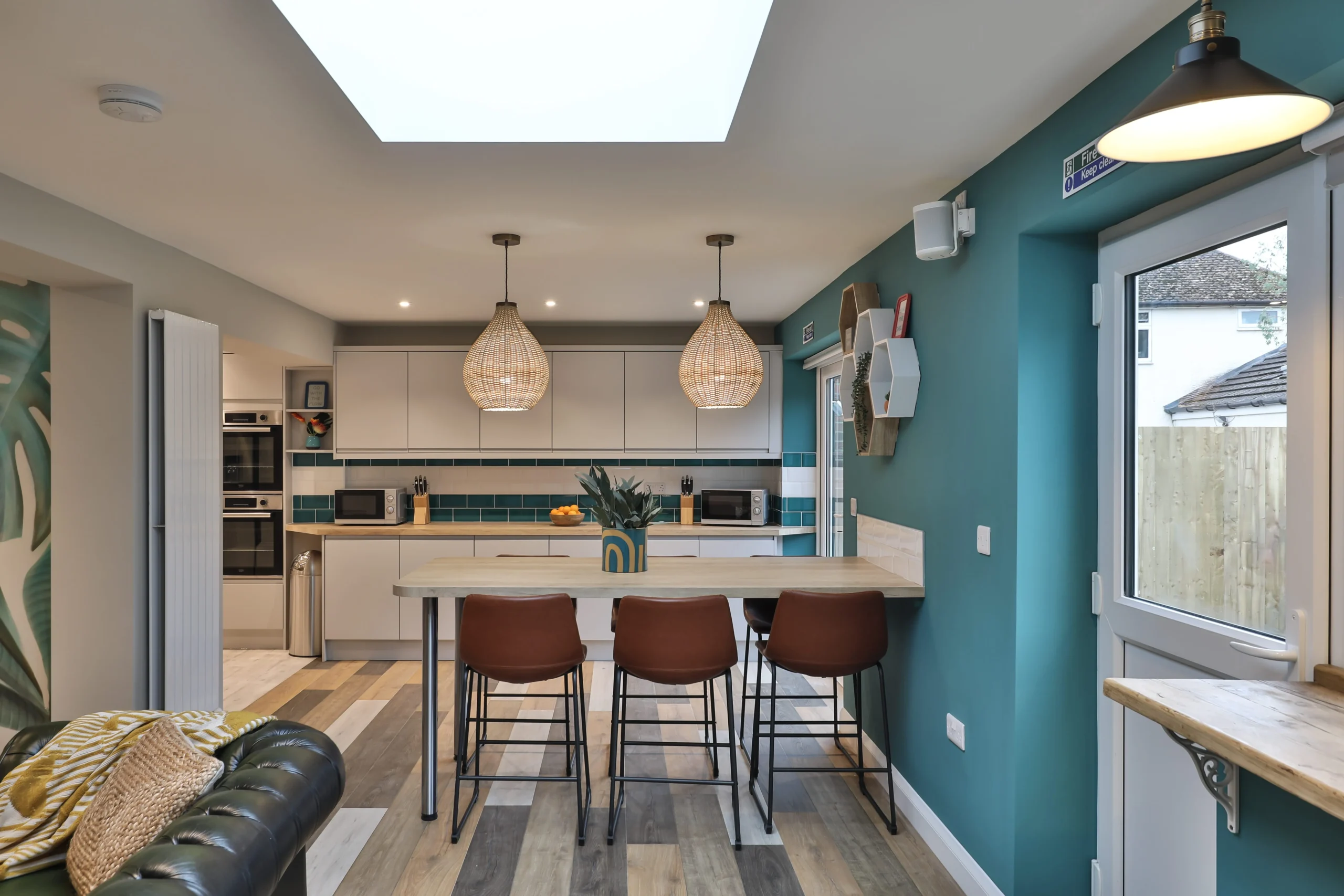
For many young professionals, the kitchen is where studio living earns its keep. Look for a setup that makes everyday cooking manageable—counter space for prep, usable cupboard height, and easy dish storage.
Insider tip: test the kitchen workflow in your head: where will a kettle live, where will you put groceries, and where will clean items dry?
At a glance: a mini checklist for choosing your self-contained studio
- Self-contained confirmed: private bathroom/kitchen arrangements and no reliance on shared facilities.
- Work setup: space for a desk or an agreed laptop/monitor position.
- Storage: wardrobe space, shelves, or practical alternatives.
- Light/noise: view at a time that matches your routine.
- Bills and internet: ask what’s included and what you need to arrange.
- Move-in readiness: note how quickly you can settle and what you’ll need to organise.

Takeaway: Local logistics in Bicester should be part of your decision, not an afterthought.
Getting there and getting about
Bicester sits in Oxfordshire, and many people’s days are a mix of local errands and occasional travel to Oxford or surrounding areas. Before choosing a studio, consider how you’ll move around most weeks—by car, bus, or rail connections—and whether your daily routes feel straightforward.
Insider tip: if you rely on public transport, check journey times at the time you’ll actually travel (not peak tourist hours) and build in a small buffer.
Best times to visit
Try to view when you’d be most likely to notice the real experience: early evening for street noise, morning for light, and weekdays if possible to gauge everyday footfall.
Booking and readiness notes
Studios can go quickly, especially for remote workers who want to settle before a new work rhythm starts. When you enquire, ask what the next steps look like, how viewing works, and when you can expect to move in.
Accessibility considerations
If mobility access or step-free access is important, confirm this directly. Details can vary from property to property, so it’s worth checking door widths, lift availability (if applicable) and any stairs to reach the flat.
Takeaway: Common questions about self-contained studio living in Bicester, answered.

FAQs
What are the perks of a self-contained studio flat in Bicester?
The main perks are privacy, predictability and less shared-life admin. You can cook, work and relax on your own schedule, and you’re less exposed to shared-space issues that can affect daily comfort.
Is a studio flat good for remote work?
It can be, provided the layout supports a workable desk setup and you have practical storage. When you view, check where your monitor/laptop will sit, how lighting works, and whether you can keep essentials close without clutter taking over.
How do I choose the right studio for my budget?
Start by clarifying what’s included (especially bills and any service charges) and then prioritise the features that reduce friction: storage, layout for working, and transport convenience. If bills aren’t clear, ask before you commit.
What should I look for when viewing a studio?
Look for usable storage, check the kitchen workflow, and view at a time that reflects your day. Also confirm self-contained arrangements and ask about internet setup if it matters for your work.
What common mistakes should I avoid with studio rentals?
Two big ones: choosing based on photos alone, and buying furniture before measuring your studio’s daily layout. Both can lead to frustration once you’re moved in.
How quickly can I settle into a studio flat?
Many people can settle quickly because everything is in one space. To make that happen, plan your “first month” setup—utilities/internet, storage, and a simple work-and-rest routine—so the flat supports you from week one.
At B-Hive Living, we believe good living is about more than the square footage—it’s about feeling settled, having the privacy to focus, and being close enough to Oxfordshire life that your days flow. If you’re moving to Bicester or already calling it home, a self-contained studio can give you the independence and comfort that busy weeks demand.
Ready to make Bicester your base? If you’re looking for a self-contained studio where moving in feels straightforward, consider applying to live with B-Hive. We’ll help you take the next step so you can spend less time managing logistics—and more time actually enjoying where you live.
