
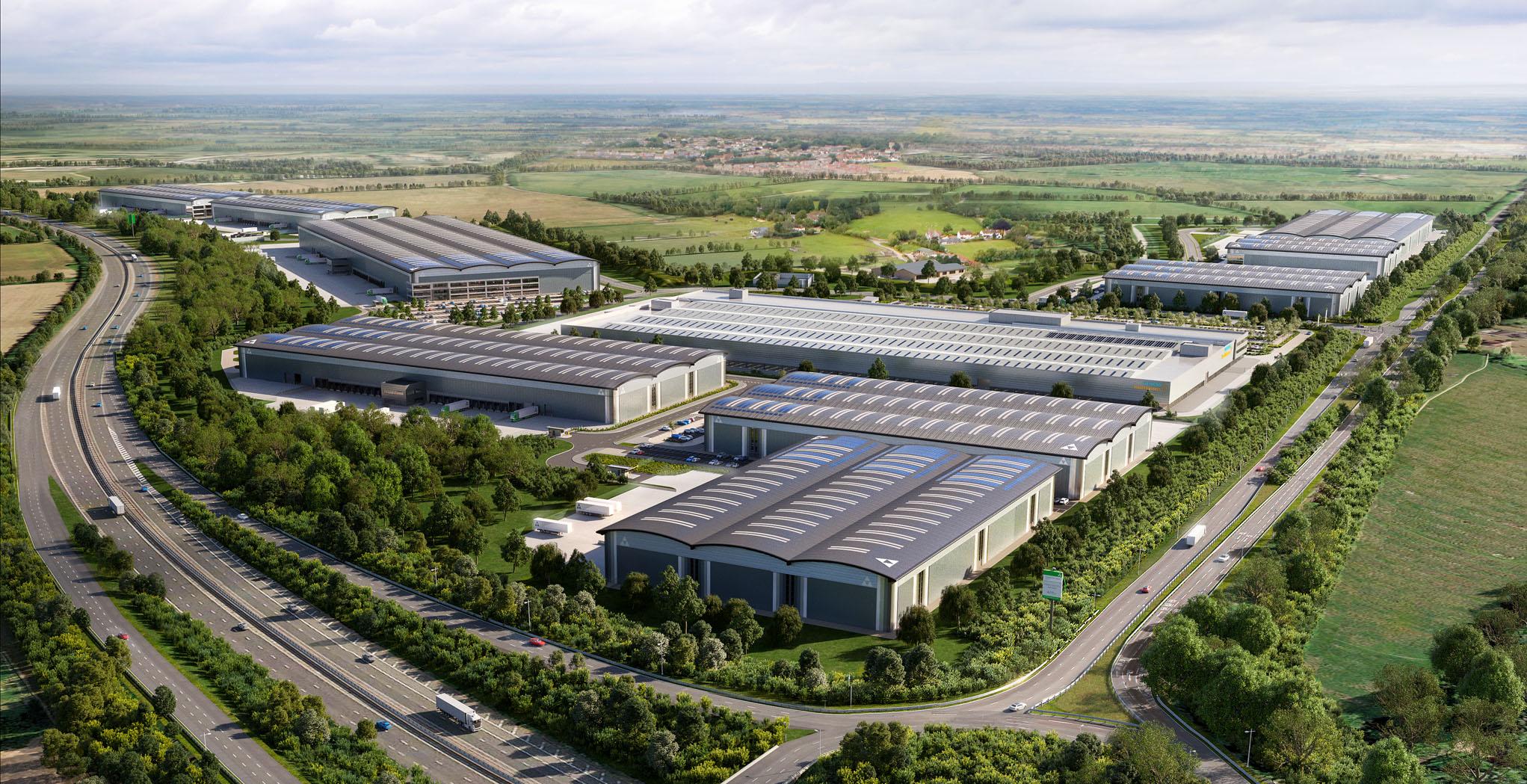
A new £250 million plant from Siemens Healthineers is coming to north Oxfordshire. The company is building a 56,000 m² site near Bicester to design and make superconducting magnets for MRI scanners. When it opens in 2026, Siemens says the factory will bring more than 1,300 jobs, use a low‑helium cooling system to cut helium to under a litre per scanner and run carbon‑neutrally. Big projects like this often affect local housing, travel and community life.
If you work remotely or are thinking about a move, this guide looks at what the project could mean for you. It breaks down expected job needs, which areas might suit different lifestyles and offers a simple checklist to help you choose a place to live.
Why the Siemens Healthineers project matters
Jobs and training
Siemens says the new factory will create more than 1,300 jobs. It isn’t just about production: there will also be research and development. That means roles for engineers, technicians, physicists and support staff, as well as data analysts and software developers.
Local colleges usually respond to large projects by offering more training. Keep an eye on apprenticeship programmes and short courses in engineering or digital manufacturing if you’re hoping to gain new skills.
Housing and neighbourhoods
When a large employer moves in, demand for rentals and mid‑priced homes usually rises. Places like Bicester town centre, Chesterton, Launton and nearby villages may see more people looking for somewhere to live. Price changes can differ by street or housing type, so it’s worth checking listings and talking to local agents early. Renting a room or studio in a coliving home can offer flexibility while you decide where to settle.
B‑Hive Living offers furnished en‑suite rooms, studios and one‑bed flats in Bicester, Oxford and Kidlington. Bills are included in one monthly payment, which can make budgeting easier when things are changing.

Source: https://commons.wikimedia.org/wiki/File:Kidlington_old_village.jpg (Andrew Chapman / Wikimedia Commons, CC BY-SA 2.0)
Travel and daily life
More people travelling to the factory will mean more traffic on the A41, M40 and local roads. Siemens plans to improve bus routes, footpaths and cycleways, but rush‑hour traffic may still get busier. If you’re using public transport, look up bus and train times from your chosen area. Drivers should check parking rules and consider whether permits might change as shift patterns develop.
Try your commute at different times. Some routes are quiet mid‑morning but busy at the start and end of the day, and that can make a big difference to your daily routine.

Source: https://commons.wikimedia.org/wiki/File:Bicester_North_railway_station_1.JPG (Jon S / Wikimedia Commons, CC BY-SA 2.0)
Where to live for a balanced life
Comparing neighbourhoods
- Bicester town centre – Close to shops, cafés and the main train station. Great if you want a lively high street and minimal travel time. Expect higher demand for rentals as the Siemens site approaches completion.
- Chesterton and Wendlebury – Quiet villages just west of the A41. They offer more space and a village feel but still keep you within a short drive or cycle of the new factory. Local pubs and community centres add to the friendly atmosphere.
- Launton – A village east of Bicester with a strong community spirit and easy access to the town’s amenities. Broadband coverage is generally good for remote work.
- Kidlington and the Oxford fringe – Further south, these areas balance city amenities and access to the M40. Commutes to Bicester are longer but you’ll be closer to Oxford’s cultural life and larger supermarkets.
| Area | Vibe | Commute to the Siemens site | Best for |
| Bicester town centre | Lively high street, shops and cafés | Shortest, minutes by car or bike | Minimal commute, walkable lifestyle |
| Chesterton & Wendlebury | Quiet villages, more space | Short drive or cycle | Village feel with easy access |
| Launton | Strong community, good broadband | Short hop into Bicester | Remote workers, community spirit |
| Kidlington & Oxford fringe | City amenities, cultural life | Longer, via the M40/A34 | Oxford access, bigger supermarkets |
When you’re weighing up different neighbourhoods, think about your budget, commute and lifestyle priorities. Do you want a lively high street or do you prefer quiet green spaces? Is a strong broadband connection a must for video calls? Do you need to be near schools, gyms or healthcare? Choosing a place that fits your everyday life matters more than living close to a headline‑making development.
Transport links and weekend life
Living near a station or regular bus can make your life easier. Bicester Village and Bicester North stations have trains to Oxford, Banbury and London, and buses connect smaller villages to the town. If you like going out in the evening, check how late services run, some rural buses stop early.
Driving on the M40 gives quick links to Birmingham and London, but junction 9 where the A34 and A41 meet often gets congested during rush hour. If you cycle or walk, look into the new cycle paths and footways planned as part of the Siemens project.

Source: https://commons.wikimedia.org/wiki/File:M40_in_Warwickshire.jpg (David Stowell / Wikimedia Commons, CC BY-SA 2.0)
How to plan your move: six practical steps
- Clarify priorities: list your top needs, commute time, rent budget, lifestyle, and score each candidate neighbourhood against them.
- Chart your commute: map routes from each area to the proposed Siemens site via car, train, bus or bike. Test them during typical peak times and at quieter periods.
- Compare housing options: weigh the cost of renting versus buying. Consider service charges, utilities and how flexible each option is if circumstances change.
- Evaluate amenities: look at supermarkets, fitness centres, healthcare access, childcare, green spaces and social spots that support your wellbeing.
- Visit at different times: spend time in each neighborhood on weekdays, evenings and weekends to gauge noise, safety and community feel.
- Set a timeline and budget: plan your move, including a buffer for moving expenses and early adjustments. If details about the Siemens site change, being financially flexible will help you adapt quickly.
Local logistics for visits and trial days
If you’re visiting the area or attending an open day, mid‑week mornings or early afternoons give the most typical traffic conditions. Siemens may host information sessions for potential employees where you can learn about parking, shuttle services and accessibility. If you have mobility needs, ask about step‑free routes. Transport timetables often change during big construction projects, so check for updates before you travel.
Frequently asked questions
Is Siemens Healthineers definitely building near Bicester? Yes. In May 2024 the company announced a £250 million investment in a 56,000 m² factory in North Oxfordshire. Construction has started, and the site is expected to open in 2026.
Will this make housing more expensive? Big employers often increase demand for nearby homes. Rents and house prices may go up, but the impact varies by area and property type. Flexible renting options can give you time to see how the market responds.
How should I plan my commute? Pick a few places you might live and check travel options for each driving, cycling and public transport. Try the routes at the times you’d normally travel and watch for news about new bus routes, cycleways and parking linked to the project.
Is it better to move now or later? That depends on your situation. Remote work or flexible hours might let you rent short‑term and wait for more details about the factory. Use reliable sources for updates and make choices based on what suits you.
Ready for a fresh start?
The Bicester corridor is on the cusp of change. A world‑class manufacturing facility will attract talent, spur investment and influence where people live and how they travel. Yet the fundamentals of a good life a supportive community, a manageable commute and a healthy living environment remain the same.
At B‑Hive Living, we specialise in creating wellness‑led living spaces in Bicester, Oxford and Kidlington. Our coliving homes, studios and one‑bed flats are designed with biophilic principles, fast broadband and flexible lease terms. If you’re ready to explore your options, apply to live with us or visit our Hives page to see current availability.
This article is for information only. Check company and local council updates before making housing decisions.
