

The Studio Upgrade: A Better Alternative to Finding a Room for Rent for Couples
Looking for a home in Oxford or Bicester as a couple can feel oddly exhausting. You’re balancing budgets, commuting, and the practicalities of sharing space—while still wanting somewhere that feels like yours. If you’ve been scanning listings for a “room for rent” (and finding compromises around privacy, storage, or guest rules), a studio can be a calmer route. In this guide, we’ll help you compare the options, spot when a studio really is the upgrade, and plan your move with the right expectations—so you spend less time searching and more time actually living well.
- Best options: a self-contained studio, or a small 1-bed if you need separate zones for work and sleep.
- Best time: aim to search 4–8 weeks before your target move (and act quickly when a good studio appears).
- Who it’s for: couples who want privacy, flexible routines, and a simple household setup.
- Quick logistics: prioritise storage, broadband capacity, and how you’ll handle visits and washing/sharing duties.
Why a studio often beats renting a room together
The biggest win is usually privacy and predictability—without the “shared household” friction that can creep in when you rent a room.
More privacy (and fewer negotiations)
When you rent a room, you’re sharing a home with others and agreeing to their routines—noise expectations, cleaning norms, guest rules, and even kitchen timing. A studio is typically a single tenancy: you negotiate less, and you know exactly what “home” means.
A layout that supports couple life
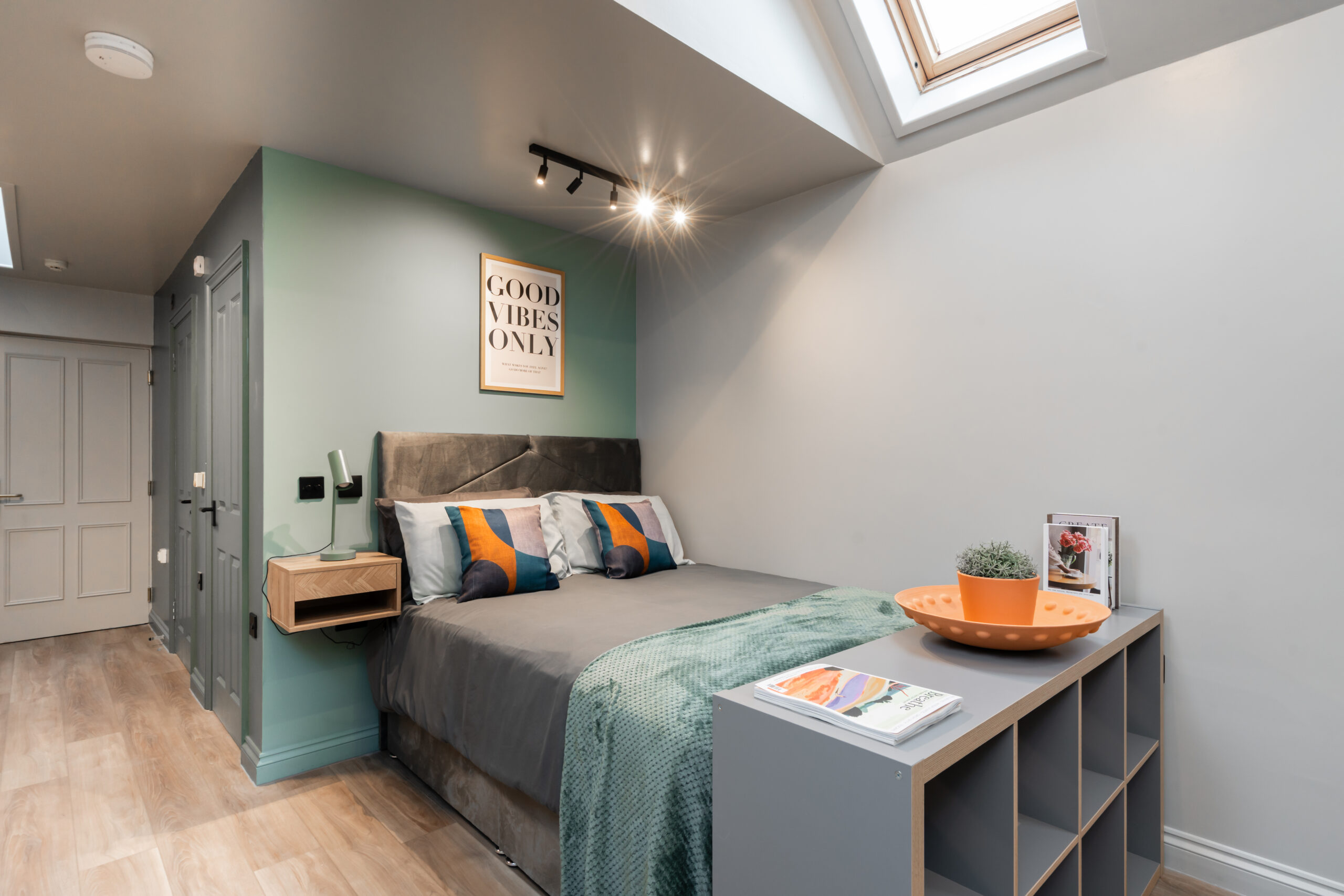
Studios vary, but many include a combined living/sleeping area with a separate kitchenette or compact cooking zone. The practical advantage for couples is that you can set boundaries early—work-from-home, bedtime, and downtime become yours to manage.
Better clarity on bills and responsibilities
With rooms, bills can be split in complicated ways. Studio tenancies often make it clearer who pays what—though you should always check details in the listing or tenancy agreement.
How to choose: when a studio is the upgrade (and when it isn’t)
Use a quick checklist to decide whether a studio will fit your routines—before you fall for a pretty listing.
Budget reality check
- Compare total monthly cost: rent plus any service charges, council tax arrangements, and utilities.
- Don’t forget move-in costs: deposits, admin fees, and potentially inventory charges.
Common mistake to avoid: comparing only headline rent. For couples, “small” differences can compound once bills and admin costs are included.
Vibe and day-to-day comfort
- Noise tolerance: think about whether you’ll be on calls or watching TV at different times.
- Light and ventilation: studios can feel warmer or stuffier—good ventilation matters.
- Layout: can you create a clear “work zone” and “rest zone”, even if they’re within the same room?
Insider tip: take a photo of the floor plan (or sketch it) and map where you’d put a desk, bed, and dining setup. If you can’t picture your routine, it won’t magically work once you move in.
Storage and lifestyle needs
Couples often underestimate storage in studios. Look for built-in cupboards, under-bed space, wardrobe rails, or the possibility of wall shelving. If you have bikes, seasonal clothes, or lots of shoes, you’ll want clarity on what fits.
Common mistake to avoid: assuming you’ll “declutter later”. Measure what you own (even roughly) and check what the studio can realistically hold.
Transport and location fit (Oxford and Bicester context)
Studios can be a smart compromise if the commute is manageable. Consider access to your usual hubs—whether that’s city-centre days, office locations, or regular groceries and errands.
- For Oxford: choose based on where you actually spend your week, not just where the building looks “central”.
- For Bicester: look at how easy it is to reach your key routes for work and weekend plans.
Insider tip: do a “two-journey test” before committing—check your route for both your typical commute time and a later evening return. That’s when travel friction shows up.
What to expect from studio living as a couple
Studios can feel surprisingly manageable once you design your routines around the space.
Work-from-home arrangements
If one or both of you work remotely, focus on practical setup: whether there’s room for a desk, how stable broadband is, and where you can sit without blocking light. You may need a compact monitor stand, a laptop dock, or even a secondary chair for calls.
Cooking and cleaning flow
Kitchenettes vary. Check how many hob rings you get (if any), where the food prep surface is, and whether there’s adequate ventilation. For couples, creating a simple “reset routine” helps keep the space feeling tidy.
Guests, hosting, and boundaries
Renting rooms can make guests complicated. In a studio, you’ll usually have more flexibility—but you should still confirm tenancy rules. If you regularly host friends, consider how many seats the space can realistically support.

At a glance: a studio checklist before you apply
- Confirm tenancy type: single tenancy as a couple (not shared household with a live-in landlord/tenants).
- Check what’s included: utilities, broadband (if applicable), and any furniture.
- Measure storage: wardrobes/cupboards and under-bed capacity.
- Assess lighting and ventilation: especially if you work from home.
- Review transport: commute time at your typical departure and return.
- Plan for hosting: where guests would sit and how you’d keep the space comfortable.
Local logistics: getting your studio search right in Oxford and Bicester
Successful moves usually come down to timing, preparation, and asking the right questions quickly.
Best time to look
Rental availability cycles vary, but a good rule is to start your search 4–8 weeks before your target date. If you see a studio that matches your needs, be ready to act—availability can move fast.
Booking viewings like a pro
- Ask for a viewing at a realistic time: daylight helps you judge light, but an evening viewing can help with noise.
- Request details in writing: inclusions, lease length, and any restrictions.
- Bring your “fit check” list: storage, desk space, and cooking ventilation.
Accessibility and suitability notes
Studios are not always on the ground floor, and buildings can vary. If you have mobility needs, check lift access, stair counts, and parking arrangements (or nearby transport). If you work with assistive technology, confirm power sockets and practical layout.
Frequently asked questions
Is a studio really better than renting a room for a couple?
Often, yes—especially if you value privacy, fewer household negotiations, and a clearer day-to-day routine. A studio can feel more like “your home” than a rented room within someone else’s setup.
Will we feel cramped in a studio?
It depends on your routines and the layout. If you need a separate office space or lots of storage, look harder at floor plan suitability, built-in storage, and how you’ll organise work and rest areas.

What should we check about bills and utilities?
Always confirm what’s included and how utilities are handled. Don’t assume it’s the same as a room rental—ask for details in writing or via the listing/landlord process.
How can we make a studio work for remote working?
Choose a studio with enough space for a desk, good light for calls, and stable internet (ask what’s available). Plan a consistent setup so your work doesn’t bleed into your rest routine.
When is the best time to apply for a studio in Oxford or Bicester?
As a practical starting point, begin 4–8 weeks ahead and move quickly when a studio fits your needs. Availability can change, so having documents ready can help.
Common mistakes to avoid when you switch from room rentals
Studios can be a smoother option—but a few classic missteps can still turn them into regret.
- Assuming the listing photos tell the full story: storage and layout constraints often only become clear on inspection.
- Underestimating storage and “life admin” space: laundry, ironing, and everyday clutter need somewhere to go.
Soft close: live better, not just nearer
Whether you’re relocating to Oxford or settling into Bicester, a home that fits your routine is the foundation for calm days—especially when you’re both working, commuting, and trying to enjoy downtime. If renting rooms has felt like a compromise, a studio can be the cleaner alternative: more privacy, fewer household variables, and a space you can genuinely make your own.
Ready to focus on living well? Apply to live with B-Hive Living and we’ll help you find a setup that suits how you actually want to live—comfortably, practically, and with community in mind.
