

You’ve accepted a role at one of Oxford’s science or business parks, and now the practical question lands: where do you actually live? The two main employment hubs sit on opposite sides of the city, and the right neighbourhood depends on which one you’re commuting to, how you plan to travel, and whether you want city energy or a quieter base with more space. This guide breaks down the realistic options, the trade-offs between Oxford and Bicester, and the questions worth asking before you sign a tenancy.
Quick answer: where to live when you work at an Oxford science or business park
- Best for walking to work: Littlemore and Rose Hill for the Science Park; Cowley and Temple Cowley for the Business Park.
- Best for value and space: Bicester, with a fast train link into Oxford and noticeably lower rents than the city.
- Best for a village feel with a commute: Kidlington, Islip, or Wheatley, but check evening bus times before committing.
- Best for city lifestyle: Jericho, Summertown, or the centre, if you accept the premium and don’t mind a bus or bike ride to the parks.
- Quick logistics: Both parks sit on Oxford’s edge, so a bike, car, or a reliable bus route matters more than being in the centre.
Know the two parks before you choose an area
The single most useful thing you can do is match your shortlist to the park you’ll actually be working at. Oxford Science Park sits in Littlemore, south-east of the city centre. Oxford Business Park sits in Cowley, east of the centre. They are close enough that some neighbourhoods work for both, but the day-to-day commute is different enough that it should shape your search.

Neither park is next to Oxford railway station, so if you’re arriving by train you’ll still need a bus, bike, or car for the final leg. That final leg is where most commute frustration comes from, so plan it before you fall in love with a flat.
Neighbourhoods closest to Oxford Science Park
Littlemore. The obvious choice if you want to walk or cycle to work. It’s a residential area with a mix of older terraces and newer builds, and it has its own high street with everyday shops. Insider tip: because it’s walkable to the Science Park, Littlemore rents can be surprisingly competitive compared with Cowley, so it’s worth checking before you assume the closer option costs more.
Rose Hill. Just south of Iffley, Rose Hill is quieter and greener, with good access to the ring road if you drive. It’s a short cycle to the Science Park and a reasonable bus ride into the centre. Insider tip: if you’re viewing in Rose Hill, ask about parking before you commit, as some streets are permit-controlled and spaces are limited.
Iffley. Leafy, riverside, and peaceful, with the towpath on your doorstep for walks after work. It’s pricier than Littlemore but gives you a village feel within the city. Insider tip: the towpath is a genuinely useful cycle route towards the city centre, but it’s unlit in stretches, so plan for winter evenings.
Neighbourhoods closest to Oxford Business Park
Cowley. The natural fit for the Business Park, and one of Oxford’s liveliest areas for independent shops, cafés, and a diverse high street. You can walk or cycle to work in most cases. Insider tip: Cowley Road is brilliant for everyday food shopping, but parking is genuinely difficult, so factor that in if you drive.
Temple Cowley. Slightly quieter than Cowley proper but still within walking distance of the Business Park. It suits people who want the convenience without the noise of the main road. Insider tip: this is a good area to prioritise if you want a short commute and a calmer street, but you’ll still head to Cowley Road for the best cafés and shops.
Headington. Popular with professionals and families, with a strong high street, good schools, and frequent buses into the centre. It’s a short hop to the Business Park. Insider tip: Headington’s hospital presence means parking and traffic can be heavy at shift-change times, so test your route at the times you’d actually travel.
Bicester: the commuter town worth comparing
Bicester has become a genuine alternative for Oxford workers because it offers more space for your money and a fast rail link into Oxford. The trade-off is that you’ll rely on public transport or a car for the final leg to either park, so the door-to-door time is longer than living in Littlemore or Cowley.
What Bicester gives you is a different daily rhythm: a proper town centre, new-build developments with gardens and parking, and easy access to the M40 and A41 if you drive. For remote workers who only commute two or three days a week, that trade-off often makes sense.
Where to live in Bicester
Near Bicester Village and the stations. Modern apartments and the easiest access to rail. Insider tip: station car parks fill early on weekdays, so if you plan to drive and park, check permit options or consider a home within walking or cycling distance instead.

Kingsmere. A newer development with family-friendly parks and a primary school. It’s a short drive to Bicester North station. Insider tip: newer estates can look uniform online, so visit at different times of day to get a feel for traffic and parking.
Langford Village. Quiet, residential, and convenient for the A41 if you’re driving towards Oxford. Insider tip: if you’re driving to the Science Park from here, test the route at peak times, as the A41 and ring road can be slow.
How to choose: the criteria that actually matter
Don’t pick a postcode from a map alone. These are the factors that change how your week feels, in rough order of impact.
- Commute by mode, not by miles. A 3-mile cycle and a 3-mile drive can take wildly different times at 8am. Decide your primary mode first, then shortlist areas that suit it.
- Transport frequency and last services. Oxford’s bus network is strong on main routes, but rural and edge-of-city services thin out in the evening. Check the last bus before you commit to a village.
- Budget versus space. Oxford city centre commands a premium. Bicester and parts of Kidlington generally offer more space for the same money, but you’re trading commute time for it.
- Parking. If you drive, confirm both ends: does your workplace provide parking, and does your new home include a space? Many city-centre flats don’t.
- Vibe. Decide honestly whether you want cafés and nightlife on your doorstep or a quiet street with a garden. Both are available, just not in the same place.
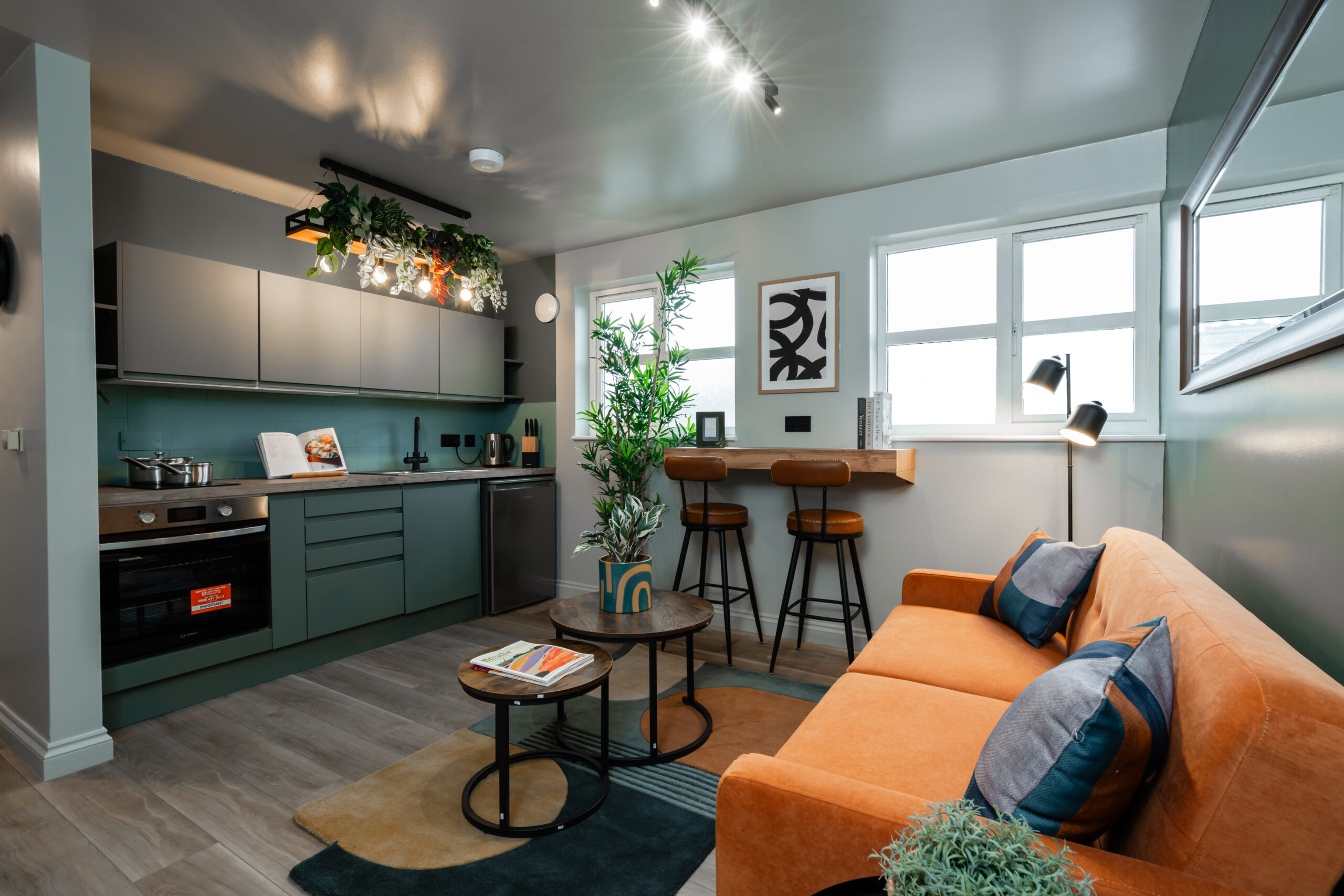
At a glance: your area shortlist by priority
- Shortest commute to Science Park: Littlemore, Rose Hill, Iffley.
- Shortest commute to Business Park: Cowley, Temple Cowley, Headington.
- Best value with a rail link: Bicester.
- Village feel with a commute: Kidlington, Islip, Wheatley (check evening buses).
- City lifestyle: Jericho, Summertown, Oxford centre.
Local logistics: getting there, best times, booking notes
Getting there. Both parks are served by Oxford’s bus network and have cycle routes from the city. Bus route numbers and timetables change periodically, so check the current operator website before you rely on a specific service. Cycling is popular and often the fastest option for the final couple of miles.
Best times. Peak travel is roughly 8–9am and 5–6pm. If your employer offers flexible hours, shifting your start and finish by 30–60 minutes can make a noticeable difference on the ring road and on peak trains.
Booking notes. Oxford’s rental market moves quickly, especially in summer. Start your search around 6–8 weeks before your move date and be ready to view promptly. Always confirm the exact address, deposit terms, and what’s included before you commit.
Accessibility. Oxford’s buses are generally low-floor, and both parks have step-free access, but specific routes and facilities vary. If you have mobility needs, check the current details for your particular route and building before you decide.
Common mistakes to avoid
- Choosing by postcode alone. Two streets in the same area can have very different bus links and parking. Check the specific address, not just the neighbourhood.
- Ignoring the evening and weekend service. A route that works at 8am may not work at 10pm. If you’ll be out late or working weekends, check those times too.
- Assuming you need a car. Many people commute happily by bike or bus, but the reverse is also true: a village without a car can feel isolating. Be honest about your own habits.
FAQs
Is it better to live in Oxford or Bicester if I work at a science or business park?
It depends on your priorities. Oxford gives you shorter commutes by bike or bus and a livelier day-to-day, but higher rents. Bicester gives you more space and a fast rail link, but you’ll rely on public transport or a car for the final leg to the parks.
What’s the commute like from Bicester to Oxford Science Park?
Expect a train into Oxford followed by a bus, bike, or car for the final leg. The exact door-to-door time depends on your connections, so test the full route at the time you’d actually travel rather than trusting a single estimate.
Do I need a car to work at either park?
Not necessarily. Both parks are reachable by bus and cycle from the city. A car makes life easier if you live in a village or commute from Bicester, but it isn’t essential if you choose a neighbourhood close to the park.
Are there good schools near these areas?
Headington and Bicester both have well-regarded primary and secondary schools. Check current Ofsted reports and catchment areas before you commit, as these can change.
When should I start looking for a rental?
Around 6–8 weeks before your move date is a sensible window. Oxford’s market is competitive, particularly in summer, so being ready to view and decide quickly helps.
Living well in Oxford or Bicester comes down to more than the postcode. It’s about a commute that doesn’t drain you, a street that suits your pace, and neighbours you actually see. Whether you’re drawn to Cowley’s energy or Bicester’s space, the right base makes the working week noticeably easier.
At B-Hive Living, we create homes for young professionals and remote workers who want comfort, connection, and an easy route to the city and the parks. If you’re planning a move and want somewhere that feels like a community rather than just a room, apply to live with B-Hive and we’ll help you find your fit.
