
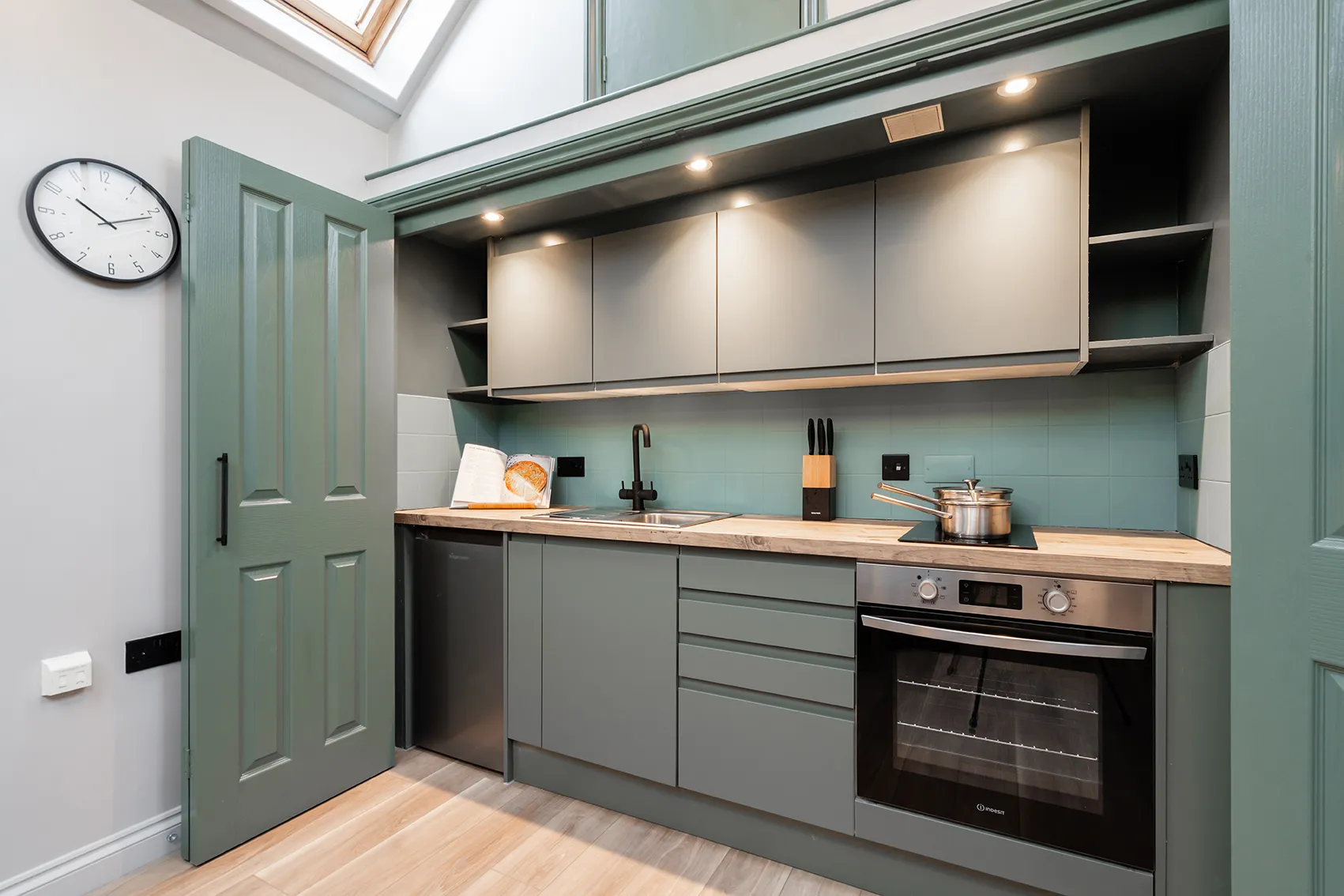
Work-Friendly and Design-Led: Rethinking Unusual Accommodation UK
If you’re working remotely (or switching between meetings and deadlines), “unusual accommodation” needs to do more than look good in photos. You need reliable Wi-Fi, space to focus, and a layout that supports your routine—whether you’re based in Oxford, commuting from Bicester, or relocating for a new chapter. This guide helps you rethink what to prioritise, spot the right set-up faster, and choose stays that feel intentional rather than improvised. You’ll come away with a practical shortlist framework, local booking logistics, and a few insider checks that prevent common hassles.
Quick answer: what to choose when you want work + design
Start here—these options and checks typically deliver the best balance of comfort, style, and day-to-day usability.
- Best for most remote workers: serviced apartments or design-led studios with a proper desk and dedicated workspace area.
- Best for short “reset” trips: boutique stays with flexible check-in and strong connectivity (verify speeds).
- Best for teams or longer stays: larger self-contained rentals where you can create a consistent work zone.
- Best time to book: a few weeks ahead for weekdays; for weekends, book earlier if demand spikes locally.
- Best for: people in Oxford/Bicester who want to work comfortably without losing their style or routine.
Takeaway: “Unusual” works best when it’s planned for daily use, not just aesthetics.
The best design-led stays are thoughtful about how you actually live and work. Instead of being wow-factor only, they make it easy to set up quickly, keep meetings smooth, and switch off properly afterwards.
What “work-friendly” really means (in plain terms)
- Stable Wi-Fi: enough for video calls—ask about reliability, not just availability.
- A real desk or desk-like surface: not just a dining table that’s cramped or awkward for long sessions.
- Lighting that supports focus: desk lamp or bright, glare-free overhead light.
- Sound and privacy: quieter rooms, good insulation, or a layout that reduces background noise.
- Storage and workflow: somewhere to stow bags, chargers, and documents so you can reset daily.
Design-led doesn’t have to mean impractical
Look for stays where style supports function: comfortable seating, sensible power sockets, and a layout that doesn’t constantly push you into awkward postures. If you’re filming calls, consider reflectivity and window placement too.
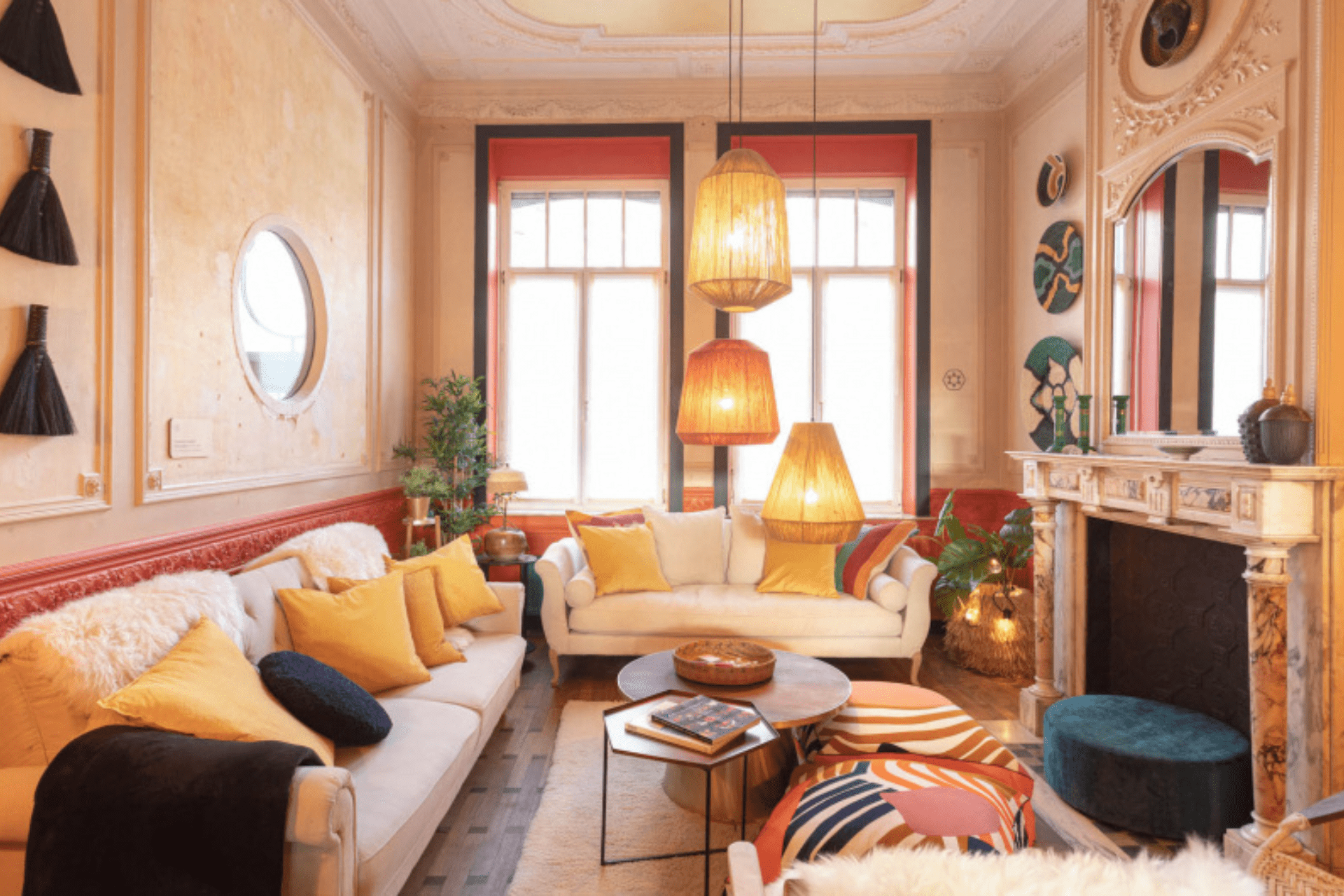
Takeaway: the UK has more unusual-but-practical choices than you might think.
When you broaden your search beyond standard hotels, you often find spaces that are better suited to remote work—provided you check a few essentials first.
Design-led studios and serviced apartments
These can be ideal because they’re set up for longer stays and everyday routines. You’re more likely to get a proper kitchen, storage, and a steadier “home base” feel.
Insider tip: message the host or property manager with a simple question about desk set-up (space, chair comfort, and where you’ll likely place a laptop for calls).
Common mistake to avoid: booking purely on photographs and assuming the Wi-Fi will handle video calls.
Converted spaces (warehouses, coach houses, quirky flats)
These are often spacious and characterful. The trade-off can be acoustics or inconsistent connectivity, so you’ll want to verify details rather than rely on vibes.
Insider tip: check where the router is described (or ask). Even a great Wi-Fi connection can be patchy if your desk is far from the source.
Common mistake to avoid: ignoring noise sources—busy roads, shared hallways, or thin internal doors.
Boutique stays with intentional layouts
Some smaller, design-led properties prioritise comfort, lighting, and calm. If the stay is marketed for “workation” or longer stays, it’s usually a good sign.
Insider tip: look for mentions of “workspace” or “long-stay” features rather than only “aesthetic” descriptions.
Private rooms in smart shared accommodation
Shared can work well when the property has clear rules, quiet hours, and a genuine communal/work area. If you need focus for calls, pick a place with privacy safeguards.
Insider tip: ask how phone calls are handled in shared areas and whether there are quiet zones.
Takeaway: a simple checklist will help you filter fast (and avoid regret later).
Use this as your “at booking” checklist. It’s designed for busy working lives: minimal back-and-forth, maximum clarity.
At a glance checklist (copy/paste)
- Desk reality: Can you comfortably work for 3–4 hours without rearranging furniture?
- Wi-Fi confidence: Is video calling feasible in your workspace zone?
- Noise check: Are there likely interruptions (thin walls, street noise, shared entry)?
- Power access: Enough sockets for laptop, chargers, and headphones.
- Bathroom and routines: Hot water reliability and sensible shower timing.
- Transport fit: Can you get to your meetings easily without daily stress?
Takeaway: how to choose the right unusual accommodation (without overthinking)
Here’s a practical way to compare options when the descriptions all sound appealing.
Budget (and what it should actually buy you)
Design-led stays can be priced higher because of finishes and space. Prioritise the features you’ll use daily: desk comfort, storage, and stable connectivity. If you’ll be on calls, treat Wi-Fi reliability as “must-have”, not “nice-to-have”.
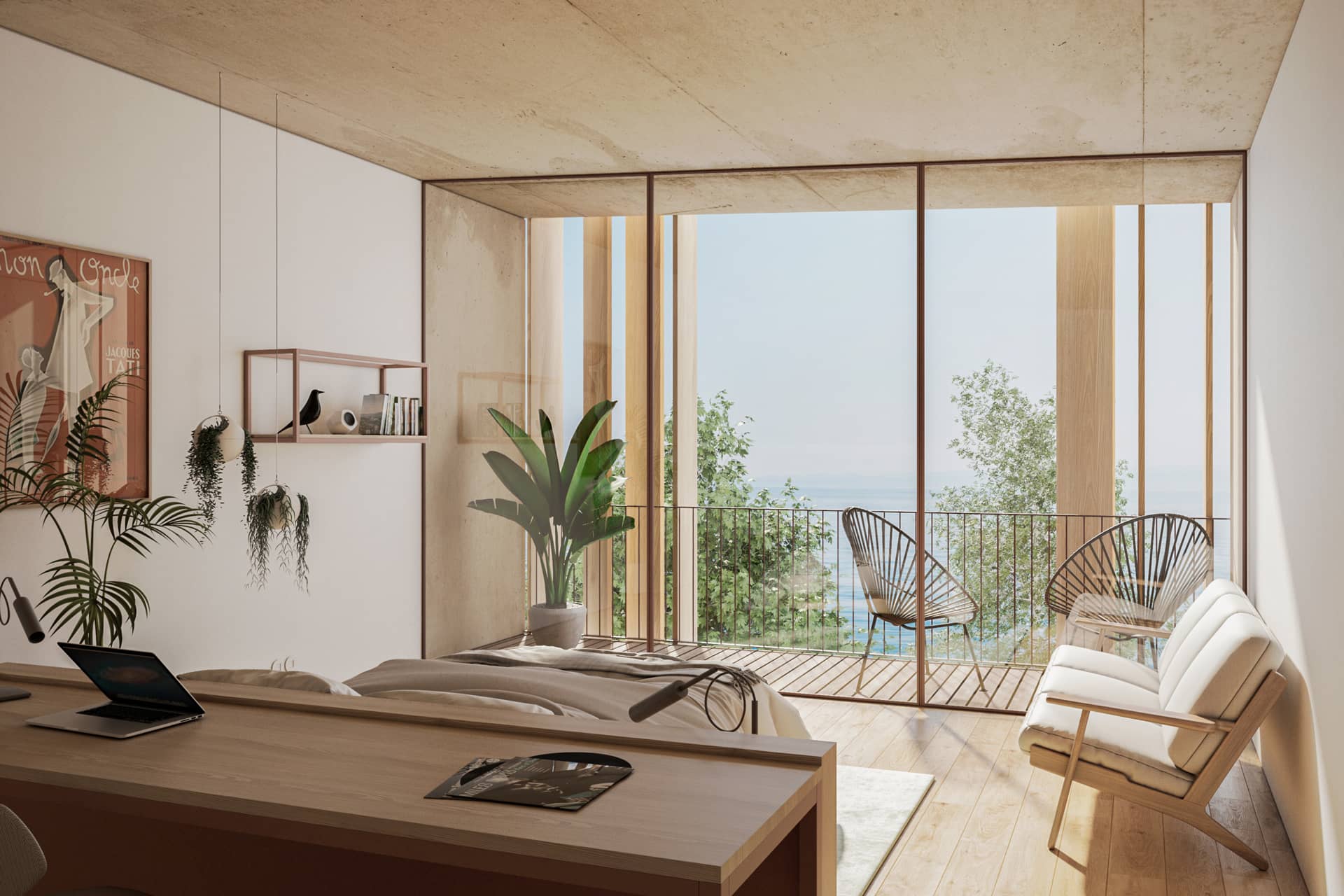
Vibe and focus mode
Think about your working style. Do you need quiet, or are you okay with a lively environment as long as you can retreat? A calm, uncluttered room often makes a bigger difference than you expect.
Timing and booking strategy
If you’re planning around weekday meetings, book earlier for quieter, work-friendly availability. For weekends, double-check noise expectations—design-led spaces can attract social activity in certain buildings.
Transport and local life
If you’re in Oxford or relocating to the Oxford/Bicester area, convenience matters. Prioritise stays with easy access to the roads and public transport routes you’ll actually use.
Takeaway: local logistics matter—especially when you’re working, not just touring.
Below are the kinds of “small” details that tend to affect remote-work stays in Oxford and the surrounding area.
Getting there (what to check in the listing)
- Parking and drop-off: if you’re driving, confirm parking terms and where you can stop safely.
- Public transport links: check walking distance to your usual station/bus stop route.
- Late arrival access: if your meetings run long, confirm self check-in and key collection.
Best times to book and settle in
If you can, choose arrival times that give you enough daylight to set up your workspace properly and test Wi-Fi. Even a quick “two-hour check” on day one saves time when deadlines land.
Booking notes to ask before you commit
- “Is there a dedicated desk area, and where would I place my laptop for calls?”
- “How reliable is Wi-Fi for video calls in that room?”
- “Are there quiet hours or noise limitations in the building?”
Accessibility considerations
When stays are quirky or converted, accessibility can vary (stairs, split levels, narrow doors). If you need step-free access, ask the host about lift access, step heights, and bathroom layout.
Takeaway: insider tips that most people miss
A few checks can significantly improve your experience—especially if you’re juggling calls and focused work.
Insider tip 1: test your “call corner” before a full workday
Once you arrive, set up exactly how you’d work. Do a short test call and watch for audio issues and dropped connections. Don’t wait until you’ve got a real meeting booked.
Insider tip 2: measure your lighting, not just your space
Window glare and harsh overhead light can make video calls look unprofessional and make focus harder. If possible, position your screen so light falls evenly.
Insider tip 3: check the “reset routine” (kitchen, washing, storage)
Design-led places sometimes look minimal. That can be great, but you still need practical storage for chargers, clothes, and work items. A simple drawer or cupboard makes a surprising difference to daily calm.
Takeaway: common mistakes to avoid when searching “unusual” work stays
- Choosing aesthetics over usability: a beautiful space can still be uncomfortable for long sessions if the desk and chair aren’t right.
- Assuming all rentals have good Wi-Fi: connectivity can be inconsistent depending on room location and building layout.

FAQs
How do I find work-friendly unusual accommodation UK options?
Look for listings that mention workspace features (desk, seating, quiet), then confirm Wi-Fi reliability for video calls and ask about noise levels. Comparing desk set-up and power sockets in the specific room will save you time.
What should I ask the host before booking?
Ask about desk space for laptop work, Wi-Fi reliability for video calls in the room you’ll use, and whether there are quiet hours or building noise you should expect.
Are boutique or converted properties good for remote work?
They can be excellent for comfort and atmosphere, but they vary more than standard stays. Prioritise acoustics, router distance to your desk, and the practicality of the workspace layout.
What’s the best length of stay for settling into a new setup?
For most remote workers, a longer block gives you time to test your routine and adjust your workspace. If you’re unsure, start with a shorter stay and reassess after you’ve done a couple of test calls.
How can I make sure my accommodation is quiet enough for meetings?
Check reviews for noise mentions, ask about shared spaces or building soundproofing, and plan your desk location away from hallways and any likely sound sources.
Takeaway: living well is about the details you can control.
Design-led accommodation is at its best when it supports your working rhythm—clear lighting, a genuinely usable workspace, and calm you can return to after meetings. Whether you’re in Oxford for a season or based near Bicester and exploring flexible stays, the right set-up helps you feel grounded and productive. Aim for practical comfort first, style second, and you’ll find places that actually fit your life.
Ready for a place that works the way you do? If you’re looking to live well in Oxford or the wider area while staying connected to your work, consider applying to live with B-Hive Living. Share what you need from your day-to-day space—we’ll help you find a home base that supports both productivity and community.
